


Travel to Komodo Island: The Ultimate Island Adventure
Komodo Island, Labuan Bajo
Travel to Komodo Island: The Ultimate Island Adventure
Travel to Komodo Island and discover Komodo dragons, Padar Island, Pink Beach, snorkeling, manta rays and unforgettable liveaboard adventures in Indonesia.
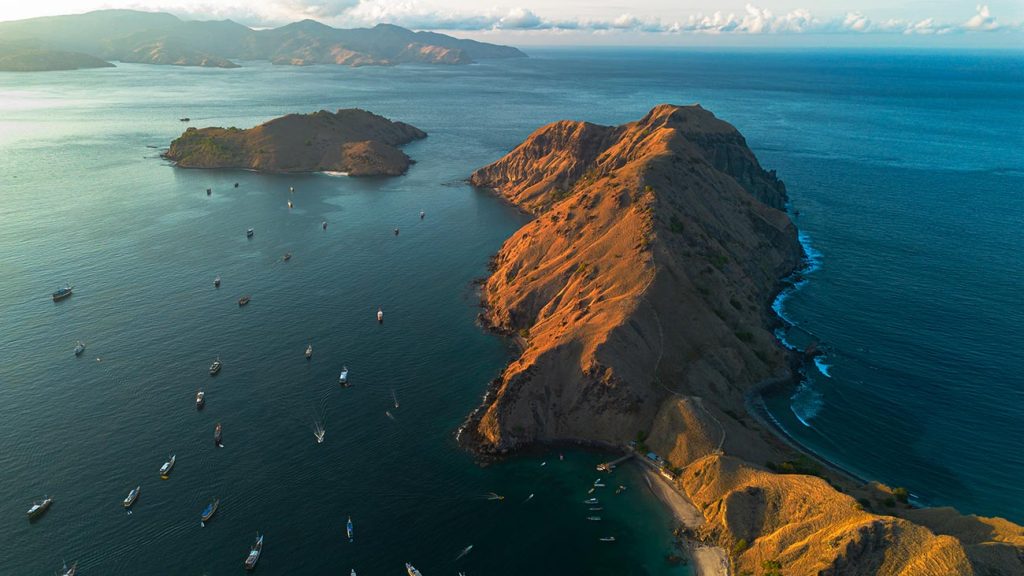
Komodo Island is not simply a place you visit. It is a place you experience. Imagine waking up on a traditional wooden boat with nothing but ocean in front of you. The morning begins with golden light over dry island hills, the sea is calm, and somewhere beyond the horizon is an island where ancient-looking Komodo dragons still live in the wild. Then the day changes completely. You can hike across a dramatic island landscape, swim in clear tropical water, snorkel above colorful coral reefs, relax on a pink-sand beach, and watch the sun disappear behind the islands—all in the same journey. That is what makes travel to Komodo Island different from an ordinary tropical holiday.
Located in East Nusa Tenggara, Indonesia, Komodo Island is part of Komodo National Park, a protected area covering islands, savannah, beaches and marine ecosystems. The park includes the three major islands of Komodo, Rinca and Padar, along with numerous smaller islands. UNESCO has recognized Komodo National Park as a World Heritage Site since 1991.
Why Travel to Komodo Island Feels Different
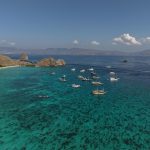
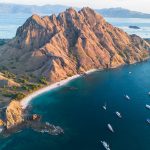
Komodo is about contrast. Here, rugged brown hills meet turquoise water. Dry savannah landscapes sit beside colorful coral reefs. Quiet beaches are separated by dramatic cliffs and small islands. The scenery can look completely different from one viewpoint to another. One moment you are walking across a dry hillside. A few hours later, you are underwater surrounded by tropical fish. This unusual combination of land and sea is one of the reasons Komodo National Park is considered a place of exceptional natural beauty. UNESCO describes the park as a landscape where dry savannah, rugged hills, sandy beaches and blue coral-rich waters exist side by side. Komodo is not just a destination for seeing a famous animal. It is an entire world waiting to be explored.
The Komodo Dragon: Meet the Ancient Resident of the Islands

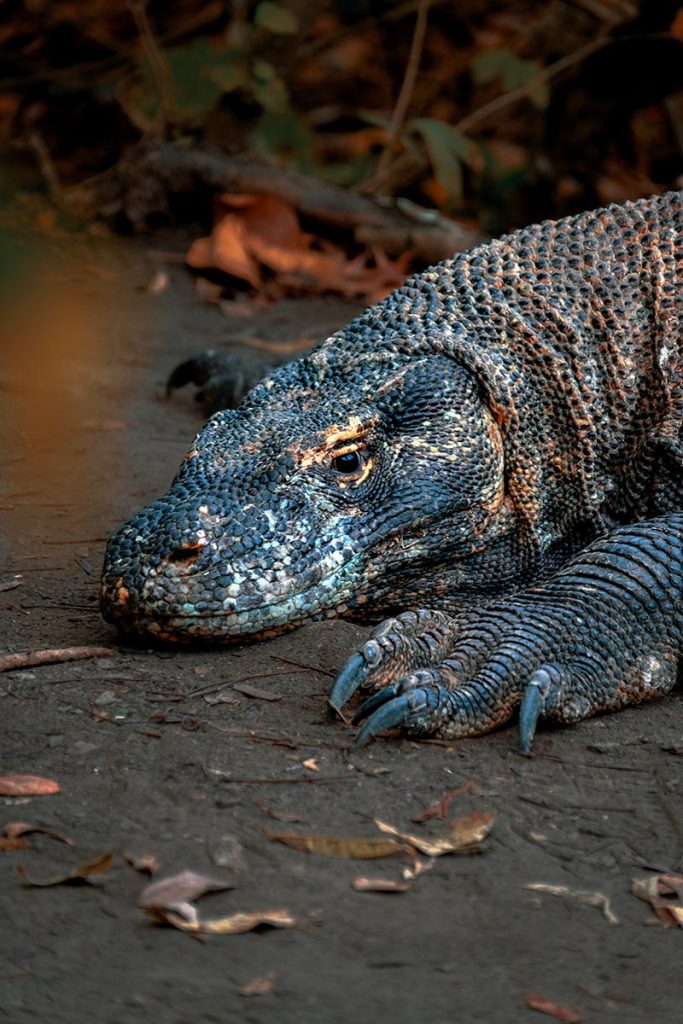
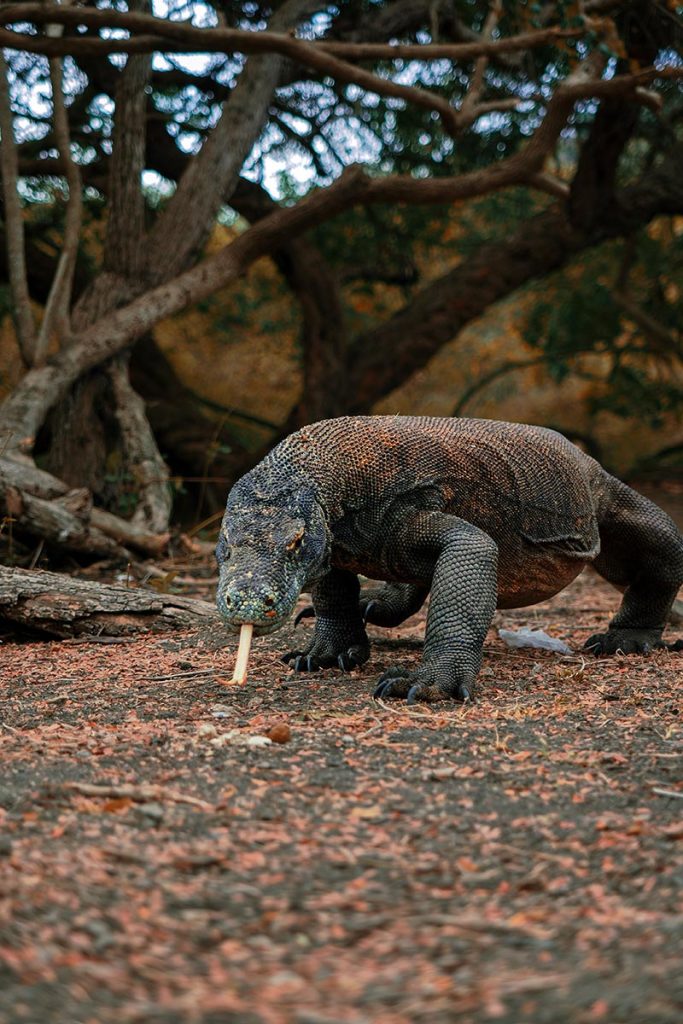
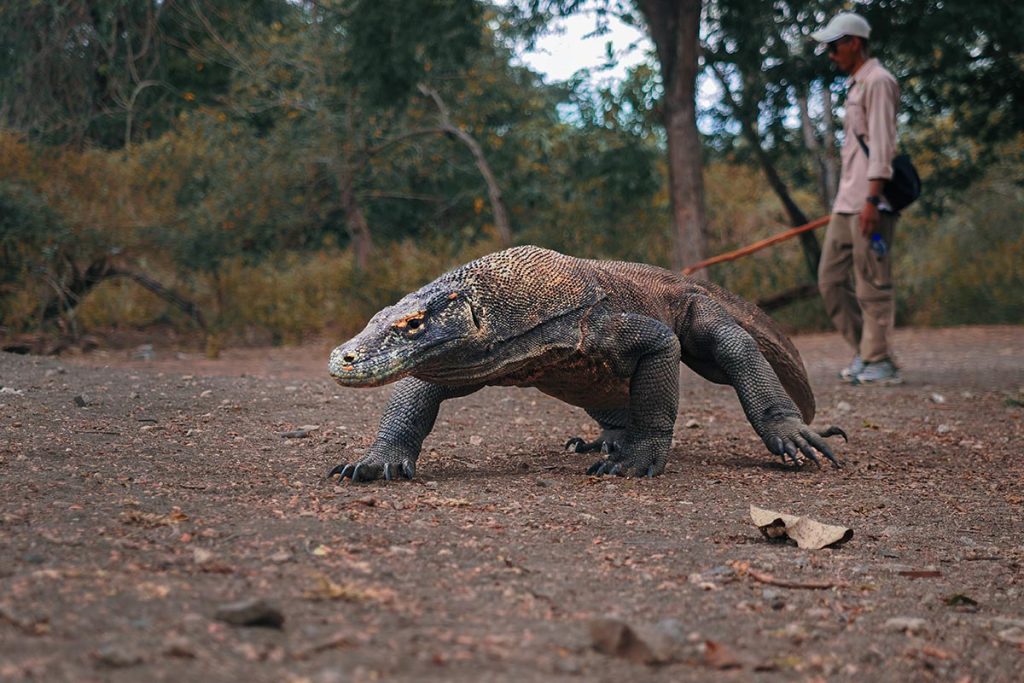
Of course, one of the biggest reasons travelers come here is the Komodo dragon. The Komodo dragon, scientifically known as Varanus komodoensis, is the world’s largest living lizard. Wild populations are found in the Komodo region, including areas of Komodo and Rinca islands. Seeing one in its natural environment is very different from seeing an animal in a zoo. There is no glass between you and the landscape.
You walk with a trained ranger, following designated trails and observing the animals from a safe distance. The experience is less about getting the perfect close-up photograph and more about witnessing wildlife where it naturally belongs and that is part of the magic. You may see a Komodo dragon resting beneath trees, moving slowly through the landscape, or disappearing into the dry vegetation.
Nature decides what you see.
Padar Island: The View That Defines Komodo
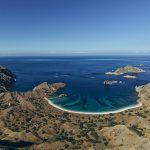
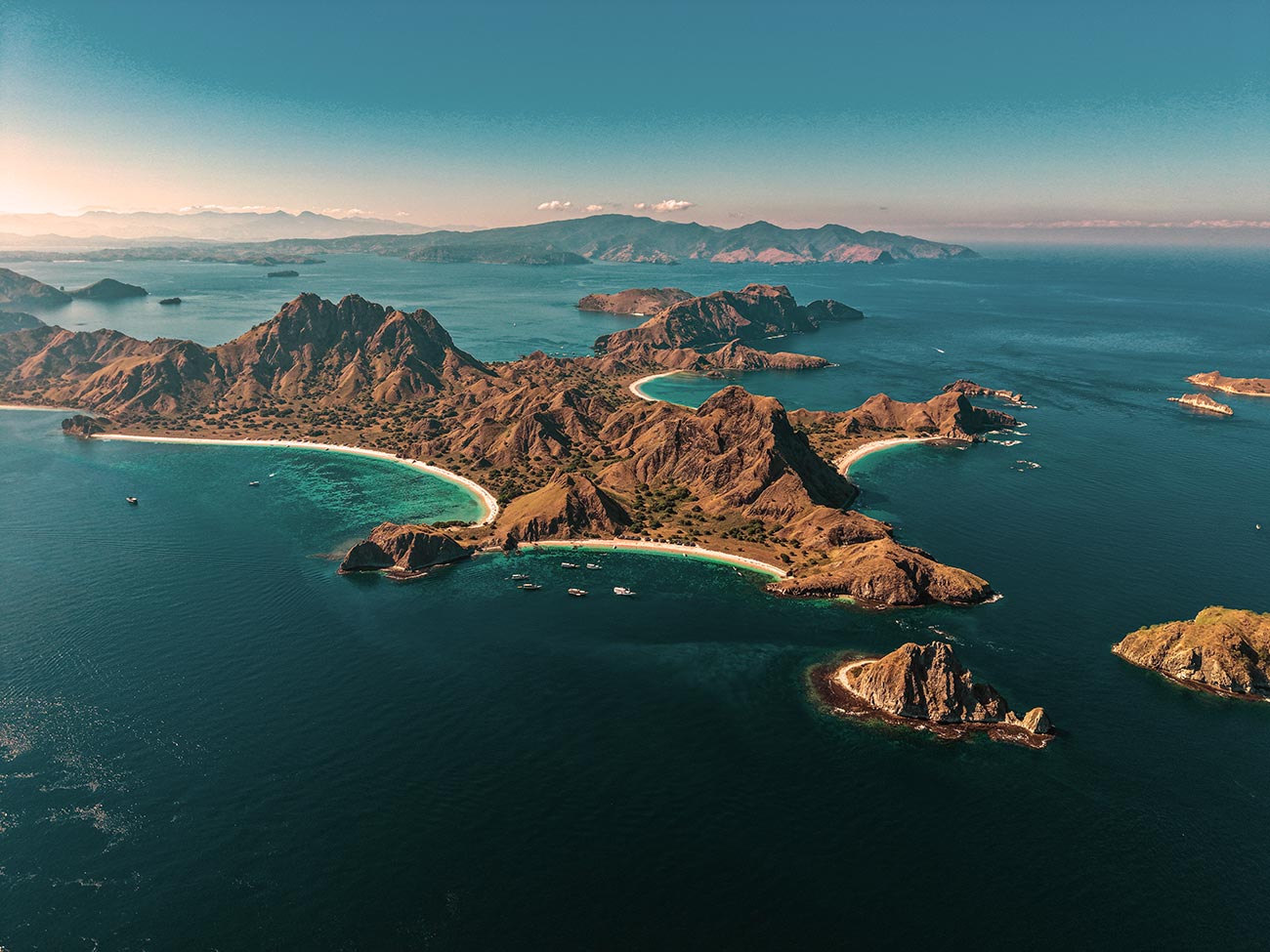
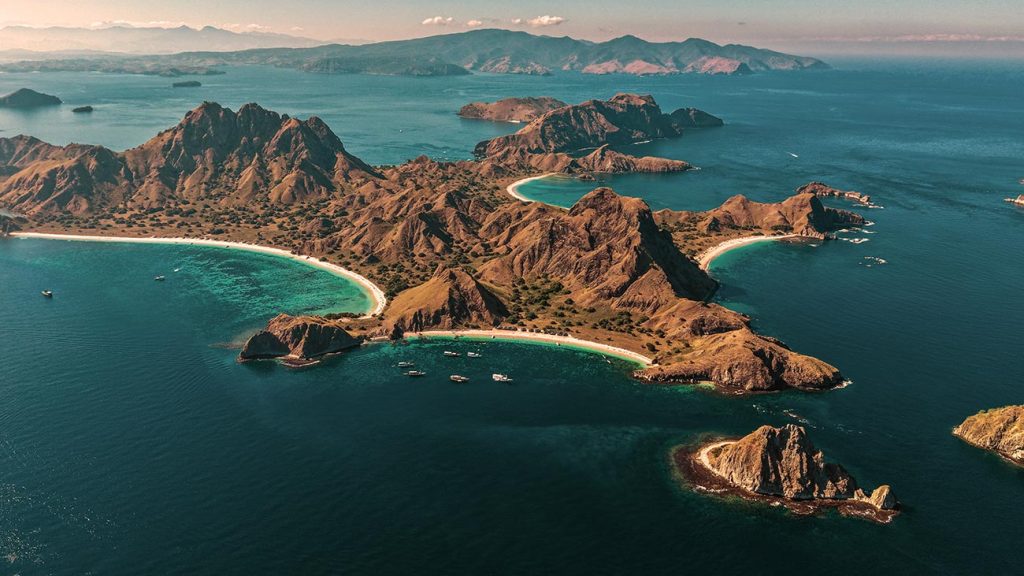
From the viewpoint above the island, three distinctive bays curve around the hills, creating one of the most recognizable landscapes in Indonesia. The climb is part of the experience. As you walk higher, the landscape gradually opens up. The ocean becomes larger, the surrounding islands become clearer, and the colorful bays begin to take shape below you. At the top, it becomes obvious why Padar Island is one of the most photographed places in Komodo National Park. Interestingly, although Padar is one of the park’s three major islands, it is not a habitat for Komodo dragons.
The appeal here is completely different:
- The view.
- The silence.
- The wind.
- The feeling of standing above an extraordinary part of Indonesia.
Pink Beach: When the Shore Turns Pink
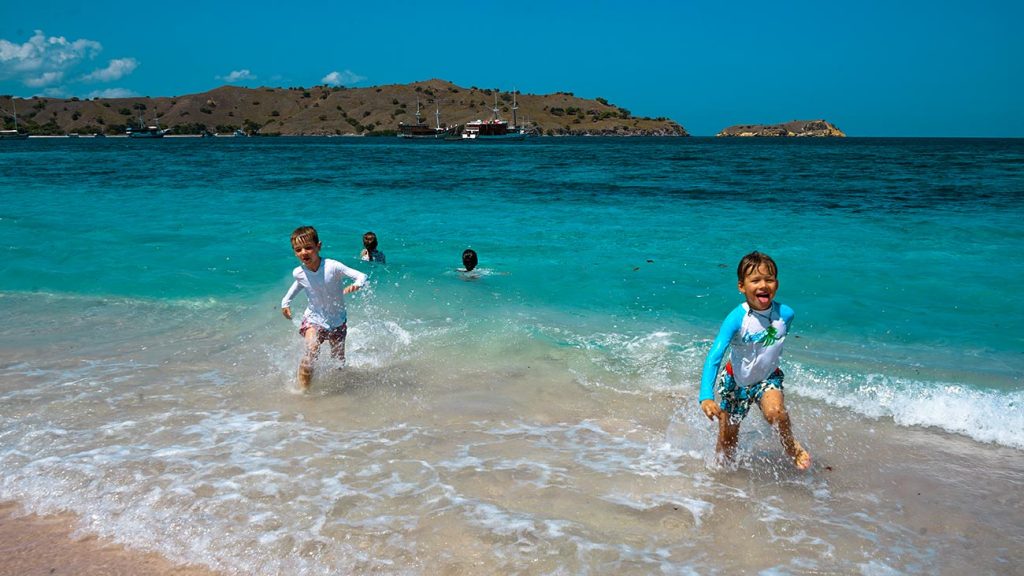
Some beaches are beautiful because of their white sand. Pink Beach is memorable because the sand has a natural pinkish color. The color comes from a mixture of light-colored sand and reddish material associated with coral and microscopic organisms called foraminifera. The intensity of the pink color can vary depending on the conditions and composition of the shoreline. But Pink Beach is more than a photo opportunity. The surrounding water can offer excellent opportunities for swimming and snorkeling, allowing visitors to experience the marine side of Komodo National Park. Standing on the beach, it is easy to understand why Komodo feels so different from other destinations. You have dry mountains behind you. Pink sand beneath your feet and a tropical blue sea stretching endlessly ahead.
Komodo Is Just as Beautiful Underwater
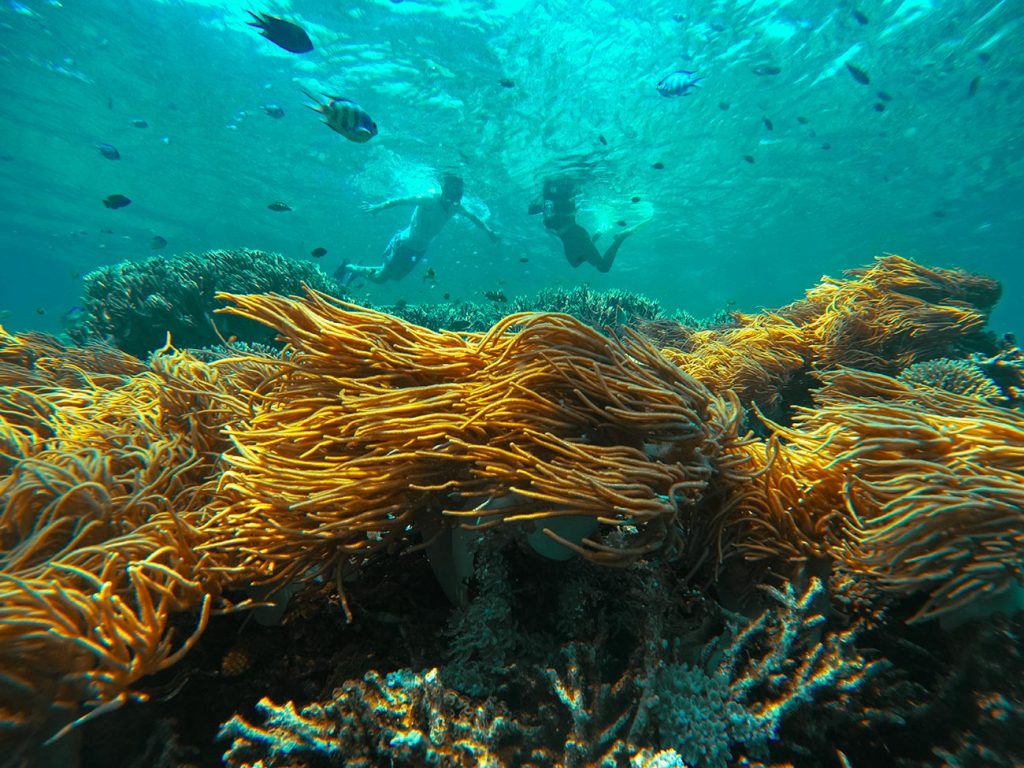
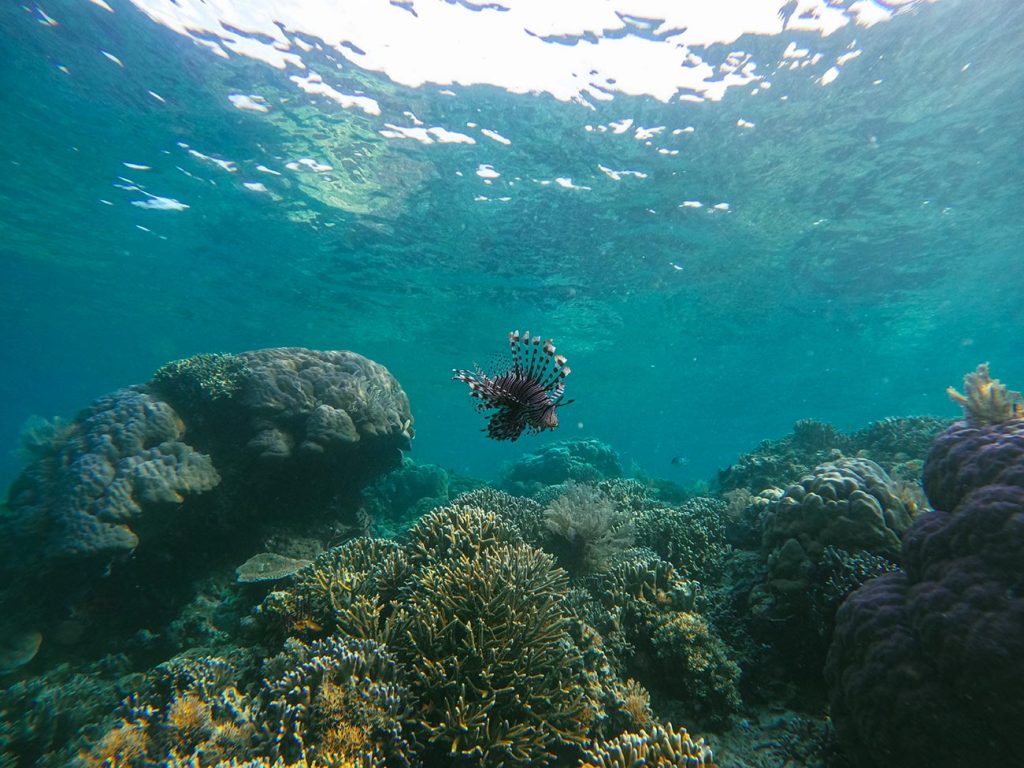
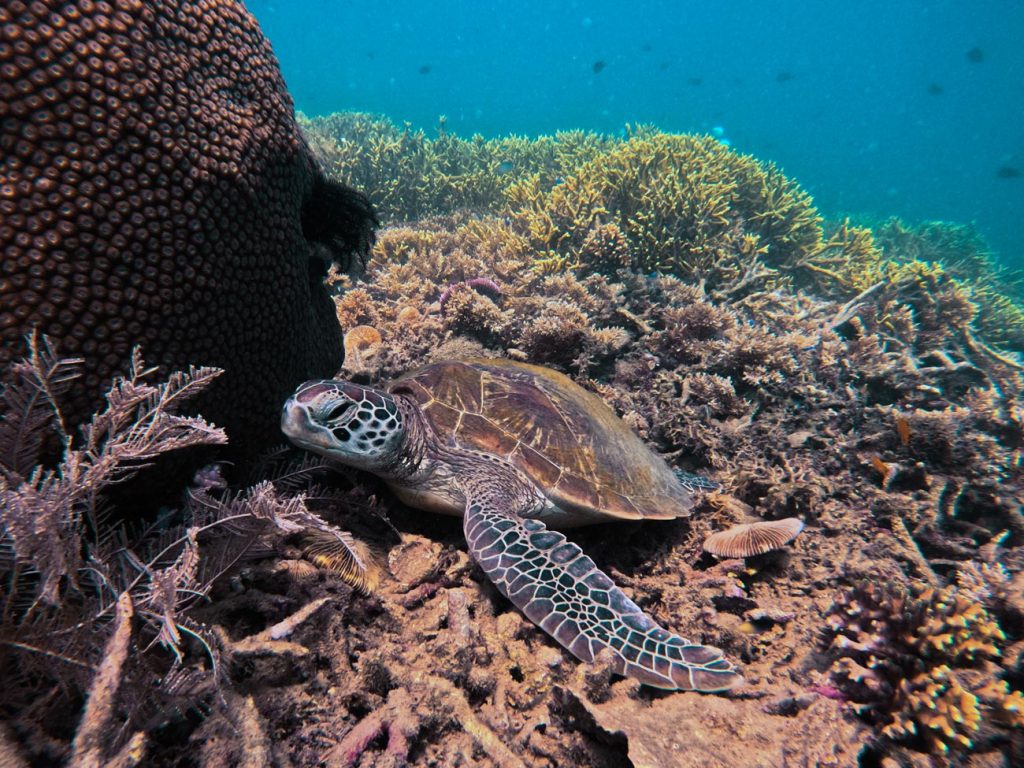
One of the biggest mistakes first-time visitors can make is thinking that Komodo is only about the dragons. The underwater world is another major part of the experience. The marine ecosystem of Komodo National Park contains diverse coral reefs and supports a wide range of marine life. UNESCO notes that the park’s waters provide habitat for species including sea turtles, dolphins, whales and dugongs, while the coral reefs support rich biodiversity. For travelers who enjoy snorkeling or diving, the journey can become an entirely different adventure. You may spend the morning trekking through dry savannah and the afternoon swimming above coral reefs. Popular areas include places such as Manta Point, Batu Bolong, Castle Rock and Crystal Rock, depending on the itinerary and marine conditions. And when conditions are right, encountering a manta ray can become one of those travel memories that stays with you for years.
Why a Liveaboard Is One of the Best Ways to Explore Komodo
There are two ways to look at a Komodo trip. You can think of it as a list of places to visit. Or you can think of it as a journey at sea. The second option is what makes a Komodo liveaboard special. Instead of returning to a hotel after every excursion, your accommodation travels with you.
- You wake up somewhere new.
- Have breakfast on the boat.
- Visit an island.
- Swim in the ocean.
- Snorkel.
- Return to the boat.
- Watch the sunset.
- Then fall asleep while surrounded by the sea.
A Komodo liveaboard trip allows travelers to connect several destinations into one continuous experience rather than treating each location as a separate day trip. For a 3-day, 2-night itinerary, a typical journey may combine several experiences such as island trekking, Komodo dragon viewing, snorkeling, beaches and sunset sailing. The exact route can vary according to weather, sea conditions, park regulations and the operator’s itinerary. The result is something that feels less like a conventional holiday and more like a small expedition.
What a 3-Day Komodo Island Trip Can Feel Like
Day 1 — Leave the Harbor, Enter the Adventure
The journey begins in Labuan Bajo. Once the boat leaves the harbor, the landscape immediately starts to change. Buildings become smaller. The horizon gets wider. The sound of the city disappears. Depending on the itinerary, the first day can include snorkeling, an island visit or a sunset stop before spending the night onboard. There is something special about the first evening at sea. No traffic. No city lights. Just islands, ocean and a sky full of stars.
Day 2 — Wild Islands and the Underwater World
The second day is often when the adventure becomes more intense.
Early morning can be the perfect time for an island trek, followed by wildlife viewing and exploring the surrounding landscape. Later, the boat moves toward another part of the park. The dry landscape gives way to turquoise water. Time to swim. Time to snorkel. Time to slow down. This is also where the beauty of a liveaboard becomes obvious—you are not simply transferring between tourist attractions. The ocean itself becomes part of the journey.
Day 3 — One More Swim, One More View
On the final day, there is usually still time for another snorkeling session, beach visit or scenic stop before returning to Labuan Bajo.
And this is when many travelers realize something unexpected: The Komodo dragon may have been the reason they came. But it was not necessarily the only thing they remember. They remember the sunrise. The quiet sea. The boat deck. The people they met. The feeling of swimming in clear water. The sound of waves at night and the view from the top of an island.
The Best Time to Travel to Komodo Island
Komodo is a tropical destination, but conditions can vary throughout the year. For that reason, choosing a travel period should not only be about finding the cheapest date. Consider what you want from the trip. Are you looking for calm sailing? Better conditions for snorkeling? A particular atmosphere? Fewer travelers? Photography? Different seasons can create different experiences across the islands and surrounding waters. Before booking, check current weather conditions, local park regulations and your operator’s latest sailing schedule. The most important thing is flexibility. The ocean always has the final word.
How to Get to Komodo Island
For most international travelers, Labuan Bajo is the main gateway for exploring Komodo National Park. The town is located on Flores Island and functions as the departure point for many boat trips into the national park. From Labuan Bajo, visitors can choose between different styles of travel, including day trips, private boat charters and multi-day liveaboard journeys. For travelers who want to experience more islands and spend more time on the water, a Komodo liveaboard from Labuan Bajo can be a particularly immersive option. Instead of rushing back to town each afternoon, you continue sailing to the next location.
What to Bring for a Komodo Island Adventure
Komodo may look like a paradise, but it is also a real wilderness environment. A few simple preparations can make the experience much more comfortable. Bring lightweight clothing, comfortable walking shoes, swimwear, sunscreen, a hat, sunglasses and a reusable water bottle. A dry bag is useful for protecting phones, cameras and other valuables during boat transfers or water activities. And don’t forget your camera.
But remember something more important:
Leave only footprints and take only memories.
Komodo National Park is a protected environment. Visitors should follow ranger instructions, avoid disturbing wildlife, never touch coral or marine animals, and avoid taking natural materials such as coral, shells or sand as souvenirs. Indonesia’s tourism guidance also emphasizes responsible behavior around marine ecosystems.
Travel to Komodo Island, but Travel Slowly
There is a reason Komodo feels different when experienced from a boat. A boat changes your relationship with the destination. You stop thinking only about where you are going. You start paying attention to the journey itself. The sunrise becomes part of the itinerary. The open sea becomes part of your accommodation. A quiet beach becomes your afternoon and sunset becomes something you do not want to miss. That is why a Komodo Boat Trip should not feel like a race to collect photographs. Take your time, Swim a little longer, Stay on the deck, Watch the islands disappear behind you.
Let the landscape surprise you.
Is Travel to Komodo Island Worth It?
The answer depends on the kind of traveler you are. Komodo may appeal particularly to travelers who enjoy nature, wildlife, snorkeling, diving, hiking, photography and adventure. But you do not have to be an experienced diver or serious trekker. You simply need curiosity. Because the real attraction of Komodo is not one single landmark.
It is the combination of everything:
- Ancient wildlife.
- Wild islands.
- Turquoise water.
- Coral reefs.
- Pink beaches.
- Mountain viewpoints.
- Traditional boats.
- Open ocean.
- And unforgettable sunsets.
That combination is what makes travel to Komodo Island a journey worth remembering.
Ready to Experience Komodo?
Forget the idea of simply “going to see the Komodo dragon.” Come to experience an archipelago where every day can look completely different. Wake up at sea, Walk through wild landscapes, Meet the world’s largest living lizard in its natural environment, Swim with tropical marine life, Search the horizon for manta rays, Stand above Padar’s legendary bays, Walk barefoot on Pink Beach and watch the sun disappear over the Flores Sea from the deck of your boat.
Komodo is not just somewhere you travel to. It is somewhere you sail through, slow down in, and remember long after you return home.
FAQ
Why choose a Komodo liveaboard?
A liveaboard allows travelers to stay on the boat while moving between different islands and marine destinations, creating a more immersive multi-day experience.
How do I travel to Komodo Island?
Most visitors begin their journey in Labuan Bajo, Flores, which is a major gateway to Komodo National Park. From there, travelers can join a day trip, private charter or multi-day liveaboard.
How many days do you need in Komodo?
A 3-day, 2-night liveaboard is a popular format for experiencing several islands, snorkeling locations, beaches and wildlife areas without rushing through the journey.
Can I see Komodo dragons in the wild?
Yes. Komodo dragons live in protected areas of Komodo National Park. Wildlife viewing should always be done with authorized rangers and according to current park rules.
What can you do besides seeing Komodo dragons?
Travelers can enjoy trekking, snorkeling, diving, beaches, island exploration and wildlife encounters. The park’s marine environment is also known for diverse coral reefs and marine species.