





Waerebo Village: Travel Guide to Flores, Indonesia
Waerebo Village, East Nusa Tenggara
Waerebo Village: A Journey into the Traditional Heart of Flores, Indonesia
Discover Waerebo Village in Flores, Indonesia. Explore the scenic mountain trek, traditional Mbaru Niang houses, Manggarai culture, and travel tips.
Hidden high in the mountains of Flores, East Nusa Tenggara, Waerebo Village is one of Indonesia’s most remarkable cultural destinations. Surrounded by mist-covered mountains, lush forests, and dramatic green valleys, this remote traditional village offers travelers a rare opportunity to experience a way of life deeply connected to nature, ancestral traditions, and community values. Unlike many popular tourist destinations, Wae Rebo does not welcome visitors with luxury resorts or busy shopping streets. Instead, it offers something far more meaningful: the peaceful atmosphere of a traditional Manggarai village, the warmth of its people, and the feeling of stepping into a living piece of Flores’ cultural heritage.
For travelers exploring Flores or planning a trip from Labuan Bajo, visiting Waerebo Village is an unforgettable adventure that combines trekking, spectacular scenery, cultural discovery, and genuine human connection.
Where Is Waerebo Village?
Waerebo Village, more commonly written as Wae Rebo, is a traditional Manggarai village located in the mountainous region of Manggarai Regency, Flores, East Nusa Tenggara, Indonesia. The village sits at approximately 1,100–1,200 meters above sea level, surrounded by tropical forest and mountain landscapes. Its remote location has helped preserve its traditional architecture and cultural practices over generations.
Wae Rebo is especially famous for its distinctive cone-shaped traditional houses known as Mbaru Niang. These impressive structures have become an iconic symbol of Manggarai cultural identity and one of the most recognizable architectural sights in Flores. The village is also known for its strong community spirit. Daily life, traditional ceremonies, and the preservation of ancestral knowledge remain important parts of local culture. For visitors seeking more than beautiful photographs, Wae Rebo offers a deeper understanding of the relationship between the Manggarai people, their environment, and their heritage.
The Journey to Waerebo Village: An Adventure Through Flores
Reaching Waerebo Village is an experience in itself. The journey takes travelers away from the coastal scenery of Flores and into a world of mountain roads, rural communities, dense forests, and peaceful highlands. For many visitors, the adventure begins in Labuan Bajo, the main gateway to Komodo National Park.
From Labuan Bajo to Denge Village
The first stage of the journey is a road trip from Labuan Bajo toward Denge, the village commonly used as a starting point for the Wae Rebo trek. The drive usually takes around four to six hours, depending on road conditions, traffic, weather, and the chosen route. Travelers pass through changing landscapes, including coastal areas, small settlements, agricultural land, and winding mountain roads.
Along the way, Flores reveals a different side of Indonesia. Instead of crowded cities, visitors encounter quiet villages, roadside markets, green hills, and everyday scenes of rural life. The drive can be long, so starting early is recommended. Travelers should arrange reliable transportation and confirm local conditions before departure, especially during the rainy season. Some visitors choose to stay overnight near Denge before beginning the trek, allowing them to start the following morning with more energy and enough time to enjoy the journey.
Trekking Through the Forest to Wae Rebo
From the Denge area, travelers continue on foot toward Wae Rebo. The trek generally takes around two to four hours, depending on fitness, weather, trail conditions, and walking pace. The trail passes through tropical forest, shaded pathways, uneven ground, and uphill sections. The sound of birds, the rustling of leaves, and the cool mountain air create a peaceful atmosphere far removed from the noise of modern life. As the trail climbs higher, the surrounding landscape becomes increasingly beautiful. Trees frame the path, sunlight filters through the forest canopy, and occasional openings reveal the green valleys of Flores.
The trek is not simply a way to reach the village. It is part of what makes the destination special. Each step creates a gradual transition from the outside world into a place where traditional life continues at a different pace. Travelers should wear comfortable hiking shoes, bring sufficient drinking water, carry rain protection, and consider hiring or arranging a local guide through the village or an authorized local operator.
The trail can become slippery after rain, so a reasonable level of fitness and careful footing are important.
The First View of Waerebo Village
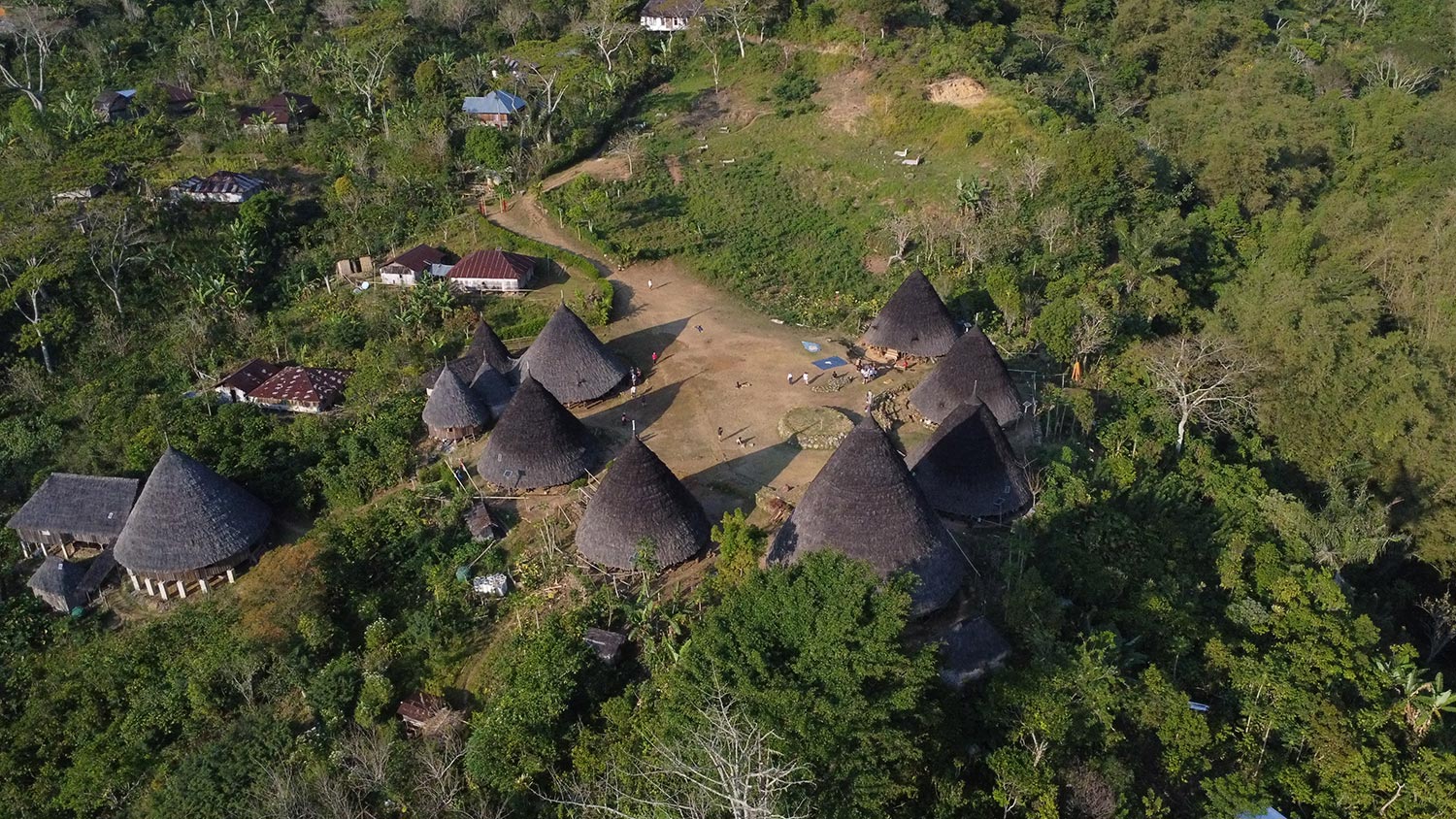
One of the most memorable moments arrives when the village finally appears through the surrounding forest. Seven traditional Mbaru Niang houses stand together in a mountain clearing, their tall, conical roofs creating a striking silhouette against the green landscape. Mist may drift between the mountains, giving the village an almost dreamlike appearance. On clear days, the surrounding hills reveal layers of deep green vegetation, while changing light transforms the roofs and valley throughout the day.
After several hours of walking, this first view often feels especially rewarding. The scenery is beautiful, but the deeper impression comes from discovering a living community in such a remote and remarkable setting. Visitors should remember that Wae Rebo is not an open-air museum. It is a real village where families live, work, and maintain their cultural traditions. Respectful behavior is essential from the moment of arrival.
The Stunning View of Waerebo Village
Nature is one of the most powerful reasons to visit Waerebo Village. Its location among the mountains of Flores creates a landscape that feels peaceful, dramatic, and beautifully isolated.
Misty Mountains and Green Valleys
The village is surrounded by forested mountains and rolling green hills. Early mornings can be particularly atmospheric, when clouds and mist move slowly across the valley. The combination of mountain air, forest sounds, and traditional architecture creates a distinctive sense of place. Unlike destinations designed primarily for sightseeing, Wae Rebo invites visitors to slow down and appreciate their surroundings. The landscape changes with the weather. Some mornings bring clear mountain views, while others are wrapped in mist. Neither experience is guaranteed, but both can be beautiful in different ways.
Traditional Houses in a Natural Setting
The seven Mbaru Niang houses form the visual heart of the village. Their circular arrangement and steep roofs stand out against the surrounding greenery. From suitable viewpoints, visitors can appreciate the relationship between the houses and the mountain landscape. The architecture does not dominate the environment; instead, it appears closely connected to the natural setting around it.
Photography enthusiasts will find many opportunities to capture the contrast between dark thatched roofs, green hills, and shifting clouds. However, travelers should always ask permission before photographing residents, private spaces, or cultural activities.
A Peaceful Night Under the Mountains
Staying overnight in Wae Rebo offers a different experience from a short daytime visit. As evening approaches, the mountain air becomes cooler and the village grows quieter. Visitors who are staying overnight may share communal meals, speak with hosts when possible, and experience the atmosphere of village life after most day visitors have departed.
Without the distractions of a busy town, the evening encourages people to reconnect with simple experiences: conversation, food, the surrounding landscape, and the sounds of nature. Accommodation is generally simple and communal rather than luxurious. Travelers should confirm arrangements in advance and bring warm clothing, as temperatures can drop after sunset.
Mbaru Niang: The Iconic Traditional Houses of Waerebo
The most recognizable feature of Waerebo Village is its traditional architecture. The houses, known as Mbaru Niang, are more than shelters. They represent the cultural identity, collective memory, and social values of the Manggarai community.
What Makes Mbaru Niang Special?
Mbaru Niang houses have large, cone-shaped roofs that extend close to the ground. Traditional construction uses locally sourced materials, including wood, bamboo, and natural roofing materials. Their distinctive shape helps protect the buildings from the mountain environment and creates a striking architectural form unlike the houses commonly seen in modern Indonesian cities. The interiors are organized into different levels, each associated with particular uses and functions according to local tradition. The design reflects practical knowledge developed through generations of living in a cool, mountainous environment.
The construction and maintenance of these houses also require collective knowledge and cooperation, reinforcing the importance of community participation.
A Symbol of Manggarai Heritage
Mbaru Niang is an important expression of Manggarai cultural heritage. The architecture reflects a relationship between traditional building knowledge, family life, ancestral identity, and the surrounding natural environment. The preservation of these houses demonstrates the value of protecting traditional knowledge in a rapidly changing world.
Wae Rebo’s traditional architecture received international recognition when the village’s conservation work won an Award of Excellence in the UNESCO Asia-Pacific Awards for Cultural Heritage Conservation in 2012. For travelers, seeing the houses in person provides a more meaningful experience than simply viewing photographs. The buildings can be understood not only as architectural attractions but also as part of a living cultural landscape.
The Traditions and Culture of Waerebo Village
What makes Waerebo Village truly special is not only its scenery or architecture. Its cultural traditions continue to shape the community’s identity and daily life.
Manggarai Customs and Community Values
The people of Wae Rebo belong to the wider Manggarai cultural community of western Flores. Their traditions emphasize family relationships, respect for ancestors, community cooperation, and the preservation of inherited knowledge. Cultural practices can include traditional ceremonies, communal activities, customary leadership, and the sharing of stories across generations.
These traditions should not be treated simply as performances for tourists. They are part of the community’s own social and cultural life, and their expression may vary according to the occasion. Visitors who take time to learn about the community, listen to local explanations, and respect customary practices will gain a more meaningful understanding of the village.
Waelu'u: A Traditional Welcome
Visitors arriving in Wae Rebo may be welcomed through a customary ceremony known as Waelu’u, depending on local arrangements and circumstances. The ceremony is associated with asking permission and offering respect before entering the village. It reflects the importance of customary rules and the community’s relationship with its ancestral traditions.
The exact procedure and availability should be confirmed locally. Visitors should follow the instructions of their guide or host rather than assume that every visit follows an identical program. This welcome is a reminder that Wae Rebo is a community with its own customs. Guests are entering someone else’s home and should approach the experience with humility and respect.
Traditional Coffee and Rural Life
Coffee is an important part of everyday life in many parts of Flores, including the wider Manggarai region. During a visit, travelers may have an opportunity to learn about local coffee, farming practices, or the role of agriculture in village life. Availability depends on the host and the activities taking place during the visit.
Sharing a warm drink or a meal can create an opportunity for conversation and cultural exchange. Even when language differences make communication difficult, hospitality and curiosity can help build a connection. Travelers should avoid assuming that every household produces coffee or that all cultural activities are available to visitors.
Traditional Weaving and Local Craftsmanship
Traditional textiles are an important part of Manggarai cultural identity. Across the region, weaving skills and textile patterns can communicate local identity, artistic knowledge, and cultural continuity.
Visitors interested in traditional crafts can ask local guides or hosts whether weaving or related activities are available to learn about during their visit. Purchasing locally made products when they are offered can provide direct support to local livelihoods. It is best to ask about the origin of an item and buy respectfully rather than treat cultural objects as ordinary souvenirs.
Food and Communal Meals
Food can be an important part of an overnight stay in Wae Rebo. Meals are generally simple and reflect the practical realities of a remote mountain community. Rice, vegetables, and other locally available ingredients may form part of the meal, depending on the host and season.
Eating together creates an opportunity to experience hospitality in a communal setting. Rather than expecting restaurant-style service, visitors should appreciate the shared experience and follow their host’s guidance. Travelers with dietary restrictions should communicate them in advance because food choices and supplies may be limited.
What to Do in Waerebo Village
Although Wae Rebo is small, the experience can be rich and rewarding when approached at a relaxed pace.
1. Explore the Mbaru Niang Houses
Take time to appreciate the architecture, arrangement, and craftsmanship of the traditional houses. Ask your guide about their history and cultural significance, and follow local rules about entering buildings or private areas.
2. Enjoy the Mountain Scenery
Walk around permitted areas and observe the surrounding hills, forest, and changing weather. The views are often best appreciated slowly rather than through a rushed photography stop.
3. Learn About Manggarai Culture
Ask your guide or host about village customs, traditional architecture, community life, and the meaning of local ceremonies. Listening respectfully is one of the best ways to learn.
4. Experience an Overnight Stay
If arrangements are available, spending a night in the village allows more time to experience its quiet atmosphere and communal hospitality. Overnight accommodation is typically basic, with shared sleeping arrangements. Confirm availability, facilities, meals, and costs before traveling.
5. Photograph the Village Respectfully
Wae Rebo is visually striking, but photography should never come at the expense of residents’ privacy. Ask permission before taking close-up portraits, entering private spaces, or photographing ceremonies. Some moments may be intended for the community rather than visitors.
Best Time to Visit Waerebo Village
The best time to visit Waerebo Village depends on the kind of experience you prefer, as mountain weather can change quickly.
Dry Season: Generally April to October
The drier months are often more convenient for trekking because trails may be less muddy and road travel can be easier. Clearer weather can also provide better opportunities to enjoy the surrounding mountain views. However, rain can still occur, and conditions are never guaranteed.
Rainy Season: Generally November to March
The rainy season can bring lush vegetation, misty mountain scenery, and a particularly green landscape. However, heavy rain may make the trail slippery, increase travel times, or affect road access. Travelers should check local conditions before setting out and be prepared to adjust their plans.
Why Early Planning Matters
Regardless of the season, it is best to arrange transportation, trekking guidance, and overnight accommodation in advance. Weather, local ceremonies, village capacity, and road conditions may influence the experience. A flexible itinerary is especially valuable when traveling through the mountains of Flores.
How to Get to Waerebo Village from Labuan Bajo
For travelers starting in Labuan Bajo, the journey generally involves three main stages.
Step 1: Travel by road to Denge. Arrange a private vehicle or a suitable local tour. The drive often takes around four to six hours, but the actual duration depends on conditions.
Step 2: Trek from the Denge area. Continue on foot along the mountain trail with appropriate guidance and equipment. Allow approximately two to four hours for the trek, depending on your pace and conditions.
Step 3: Enter the village respectfully. Follow the local arrival procedure, listen to your guide, and confirm where visitors are allowed to go.
Many travelers choose a two-day itinerary, traveling to the Denge area on the first day, trekking to Wae Rebo, staying overnight, and returning the following day. A longer itinerary may be more comfortable for travelers who want to explore Flores at a slower pace or avoid combining a long drive with a demanding trek. Travel times are estimates, not guarantees. Always confirm current road access, trail conditions, and local arrangements before departure.
Practical Tips Before Visiting Waerebo Village
– Wear proper hiking shoes: The trail includes uneven ground, uphill sections, and potentially slippery surfaces.
– Bring drinking water: Carry enough water for the trek and follow your guide’s advice about supplies.
– Pack warm clothing: Mountain temperatures can be cool, especially in the evening and early morning.
– Bring rain protection: A lightweight rain jacket or suitable waterproof cover can be useful in any season.
– Carry cash: Card payments and ATMs may not be readily available in the village.
– Arrange accommodation in advance: Overnight stays are simple and may have limited capacity.
– Respect local customs: Follow guidance on ceremonies, communal spaces, clothing, and photography.
– Pack out your rubbish: Help protect the forest and the village environment.
– Keep an open mind: Remote village life may offer fewer facilities than a hotel, but the cultural experience can be far more rewarding.
Is Waerebo Village Worth Visiting?
For travelers who appreciate nature, traditional architecture, cultural heritage, and meaningful travel experiences, Waerebo Village is well worth considering. The journey requires time and physical effort, but these are part of what makes the destination distinctive. Reaching the village on foot encourages visitors to slow down and appreciate the environment before discovering the traditional houses and community life.
Wae Rebo may not be the ideal destination for travelers looking for luxury facilities or a quick sightseeing stop. It is better suited to those who enjoy walking, are comfortable with simple accommodation, and are willing to respect local customs. For visitors exploring Flores, Wae Rebo offers a valuable contrast to the island’s beaches, coastal landscapes, and marine attractions. It reveals another dimension of Flores: one shaped by mountains, ancestral traditions, architecture, and strong community ties.
Waerebo Village: A Cultural Treasure in the Mountains of Flores
Waerebo Village is more than a beautiful destination hidden among the mountains of Indonesia. It is a living expression of Manggarai heritage, where traditional architecture, community values, and the natural environment remain closely connected.From the winding road to Denge and the forest trek to the unforgettable sight of the Mbaru Niang houses, every stage of the journey contributes to the experience.
Visitors who take the time to understand local customs and appreciate the village beyond its scenery will discover why Wae Rebo holds such a special place in the cultural landscape of Flores. If you are planning a trip to Flores or Labuan Bajo, consider adding Waerebo Village to your itinerary for an experience that combines adventure, breathtaking mountain views, and a deeper connection with Indonesia’s cultural heritage.