




Komodo: Fascinating Facts About the World’s Largest Living Lizard
Facts About Komodo
Komodo: Fascinating Facts About the World’s Largest Living Lizard
Discover fascinating facts about Komodo, the world’s largest living lizard. Explore its habitat, size, hunting skills, diet, and life in Indonesia.
Imagine walking across a dry tropical landscape where rugged hills rise above the sea, golden grass moves with the wind, and a powerful reptile slowly emerges from the shade. This is the extraordinary world of the Komodo dragon, one of Indonesia’s most remarkable wild animals.
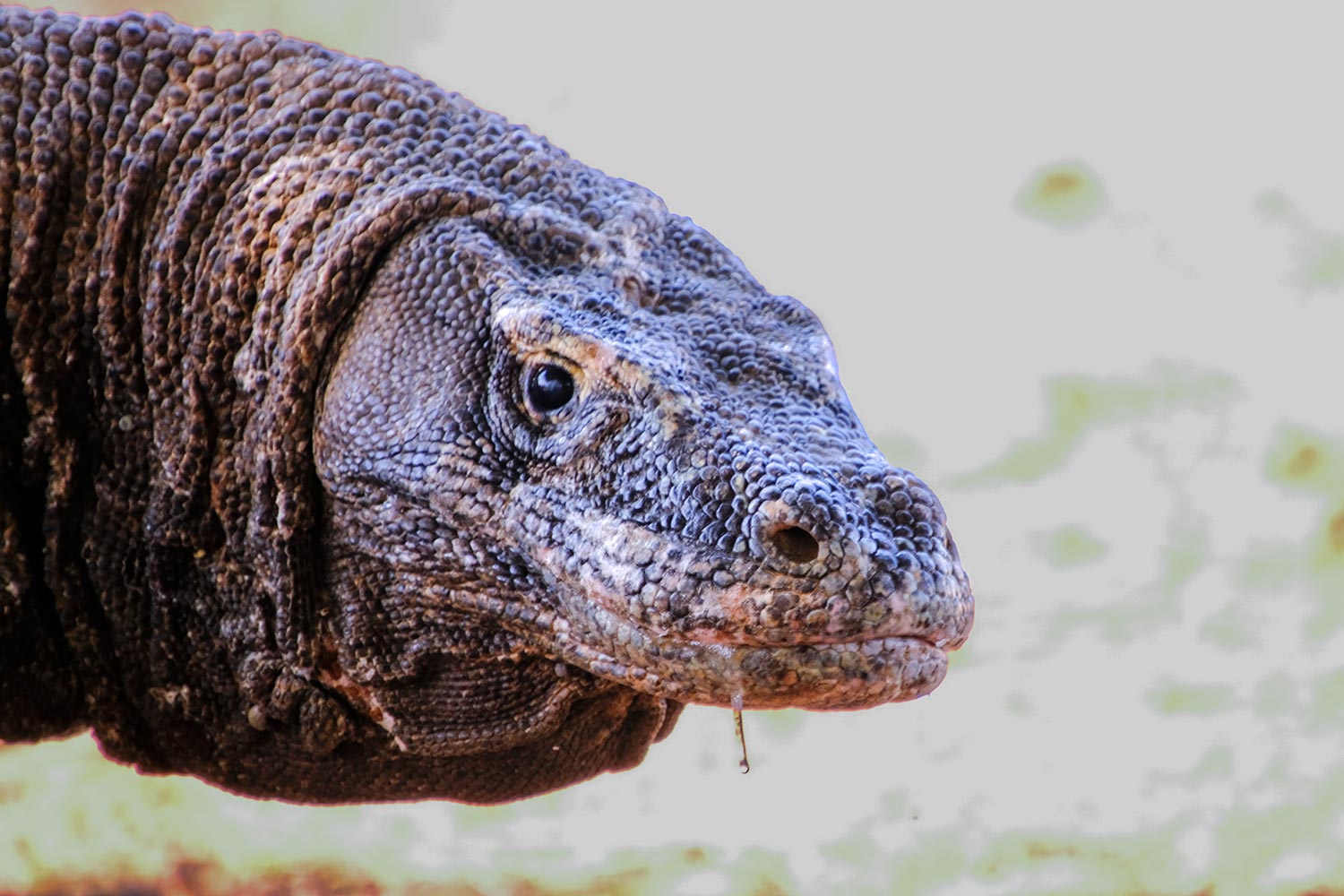
Known scientifically as Varanus komodoensis, the Komodo dragon is the largest living lizard on Earth. With its muscular body, sharp claws, powerful tail, and extraordinary hunting abilities, this ancient-looking reptile has fascinated scientists, wildlife enthusiasts, and travelers for generations.
However, the Komodo animal is much more than an impressive predator. It represents the unique biodiversity of eastern Indonesia and plays an important role in maintaining the balance of its natural ecosystem. From fascinating facts about Komodo dragons to their habitat, diet, reproduction, and survival strategies, understanding this incredible animal offers a deeper appreciation of the natural wonders of Komodo National Park.
1. What Is a Komodo Dragon?
The Komodo dragon is a large carnivorous reptile belonging to the monitor lizard family, Varanidae. It is native to a limited area of Indonesia, particularly the islands of Komodo, Rinca, Gili Motang, and parts of Flores and nearby islands. Despite its popular name, the Komodo dragon is not a mythical dragon or a dinosaur. It is a living reptile that has evolved over millions of years to become one of the most successful predators in its environment.
Its scientific name, Varanus komodoensis, identifies it as a distinct species within the monitor lizard family. Unlike many smaller lizards that feed mainly on insects, Komodo dragons can hunt large animals and consume substantial amounts of meat in a single meal. The species is especially associated with Komodo National Park in East Nusa Tenggara, Indonesia, where conservation efforts protect its habitat and wildlife populations.
For travelers visiting Labuan Bajo, seeing a Komodo dragon in its natural environment can be an unforgettable wildlife experience. It is also an opportunity to learn about the delicate relationship between predators, prey, and the landscapes they inhabit.
2. Fascinating Facts About Komodo Dragons
The Komodo dragon has many remarkable characteristics that make it different from other reptiles. Here are some of the most interesting facts about Komodo that explain why this animal attracts worldwide attention.
The Largest Living Lizard in the World
One of the best-known facts about Komodo is its enormous size. Adult Komodo dragons commonly reach approximately 2–3 meters in length, making them the largest living lizards in the world. Large adults can weigh around 70 kilograms in the wild, although their size varies depending on age, sex, food availability, and individual condition. Exceptional specimens can be considerably heavier.
Their long bodies, strong legs, muscular tails, and thick skin give them a powerful appearance. The tail helps provide balance and can also be used as a defensive weapon. Unlike snakes, Komodo dragons have four strong limbs equipped with claws. These adaptations allow them to walk across uneven terrain, climb when young, dig nesting areas, and move through their dry island habitat.
Komodo Dragons Have a Powerful Sense of Smell
A Komodo dragon does not depend on eyesight alone to find food. One of its most impressive abilities is detecting scents in the surrounding environment. It frequently flicks its long, forked tongue into the air. The tongue collects chemical particles, which are transferred to a specialized sensory organ in the roof of its mouth.
This system helps the animal identify and follow scent trails. Under suitable conditions, Komodo dragons can detect the smell of carrion from a considerable distance. For a predator living across a large, sometimes dry landscape, this ability is extremely useful. It helps the animal locate food without constantly chasing prey.
Komodo Dragons Are Venomous
For many years, researchers debated the role of bacteria in the Komodo dragon’s bite. Today, scientific evidence supports the presence of venom glands that produce substances capable of interfering with blood clotting and lowering blood pressure. A bite can cause severe injury through a combination of deep wounds, blood loss, and venom effects. The animal’s sharp, serrated teeth and strong neck muscles also help it tear flesh from its prey.
This makes the Komodo dragon a formidable predator. However, it does not mean every bite immediately kills its target. Hunting outcomes depend on the circumstances, the prey animal, and the severity of the injury. The combination of physical strength, specialized teeth, and venom makes the Komodo dragon particularly well adapted to hunting large animals.
They Can Run Surprisingly Fast
Although Komodo dragons often appear slow when walking, they are capable of short bursts of speed. They can briefly run at speeds of approximately 20 kilometers per hour under suitable conditions. Their strong limbs help them accelerate when pursuing prey or escaping a threat. However, they do not maintain this speed over long distances. Like many large reptiles, they often conserve energy by remaining still or moving slowly before making a sudden burst of activity. This balance between patience and explosive movement is one of the characteristics that makes them effective hunters.
Komodo Dragons Can Swim
The islands of eastern Indonesia are separated by channels and coastal waters, and Komodo dragons are capable swimmers. They can use their limbs and tails to move through water and may swim between nearby islands when conditions allow. This ability helps explain how they occupy a landscape made up of multiple islands. Nevertheless, their ability to swim does not mean every channel is safe or easily crossed. Strong currents, tides, and other marine conditions can make the waters around Komodo National Park challenging.
They May Cannibalize Other Komodo Dragons
One of the more surprising facts about Komodo is that these reptiles may eat members of their own species. Adult Komodo dragons can prey on younger or smaller individuals. This behavior, known as cannibalism, is one reason young Komodo dragons often spend time in trees and other areas that provide some protection. Young dragons have different survival challenges from adults. They are smaller, more vulnerable, and must avoid larger predators while developing the size and strength needed to compete for food.
3. Where Do Komodo Dragons Live?
The natural distribution of the Komodo dragon is extremely limited compared with that of many other large animals. These reptiles live in parts of East Nusa Tenggara, Indonesia, including Komodo Island, Rinca Island, Gili Motang, and parts of Flores and nearby islands. Komodo National Park protects important populations and habitats. Their environment is very different from the lush rainforests commonly associated with tropical Indonesia.
Dry Savannas and Tropical Woodlands
Komodo dragons are well adapted to a landscape dominated by seasonal dry conditions, open grasslands, savannas, and tropical woodland. The dry season creates a landscape of golden grasses, scattered trees, and sunlit hillsides. During wetter periods, vegetation becomes greener, providing additional cover and changing the availability of food. These habitats support animals such as Timor deer, wild pigs, and other potential prey. The availability of prey is an important factor influencing where Komodo dragons live and how successfully they reproduce.
Forests, Hills, and Coastal Areas
Komodo dragons are not restricted to open grasslands. They may also use woodland, forest edges, valleys, hillsides, and areas near the coast. Different parts of their habitat offer different advantages. Shade helps them avoid excessive heat, while open areas may provide opportunities to detect or approach prey. Young dragons are particularly associated with trees, which offer protection from larger Komodo dragons and other potential predators.
Komodo National Park: Their Famous Natural Home
Komodo National Park is one of Indonesia’s most important wildlife destinations. Established in 1980, the park protects a combination of terrestrial and marine ecosystems across a group of islands between Flores and Sumbawa. The park is famous for its Komodo dragons, but its importance extends far beyond these reptiles. Its landscapes include hills, dry forests, savannas, beaches, mangroves, and coral-rich waters.
The surrounding sea supports a diverse range of marine life, including reef fish, sea turtles, manta rays, and other marine species. This combination of wildlife, dramatic scenery, and marine biodiversity makes the region a remarkable destination for nature-focused travel.
4. What Do Komodo Dragons Eat?
Komodo dragons are carnivores and opportunistic predators. Their diet includes a variety of animals, and their feeding habits change as they grow. Young Komodo dragons tend to consume smaller prey, including insects and small vertebrates. As they become larger, they can hunt and feed on increasingly substantial animals. Adult Komodo dragons may prey on Timor deer, wild pigs, water buffalo, and other mammals found within their habitat. They also feed on carrion, meaning the remains of animals that have already died.
How Do Komodo Dragons Hunt?
Komodo dragons often rely on patience, camouflage, and their ability to detect scent. Rather than continuously chasing prey, they may remain still near places where animals are likely to pass. When an opportunity appears, the dragon can launch a short attack using its powerful jaws and sharp teeth. If the prey escapes after being bitten, the dragon may follow its scent trail. Venom can contribute to blood loss and other physiological effects, although the outcome is not always immediate. Komodo dragons also take advantage of available carcasses. Scavenging is an important feeding strategy because it allows them to obtain food without expending the energy required for a successful hunt.
How Much Can a Komodo Dragon Eat?
A large Komodo dragon can consume a remarkable amount of food in one feeding session. Its flexible stomach and expandable throat allow it to swallow substantial pieces of meat. According to the Smithsonian’s National Zoo, an adult may consume up to approximately 80 percent of its own body weight in a single meal under certain circumstances. This ability is particularly useful in an environment where food availability may fluctuate. After a large meal, a Komodo dragon can spend considerable time digesting before needing to feed again.
5. How Dangerous Are Komodo Dragons?
Komodo dragons are powerful wild predators and should always be treated with respect. Their large size, sharp teeth, claws, and venomous bite mean that an encounter can be dangerous. They may attack when hunting, competing with other dragons, or responding to a perceived threat. Their behavior can vary between individuals and situations, so it is never safe to assume that a Komodo dragon is harmless simply because it appears to be resting.
Can a Komodo Dragon Attack Humans?
Yes. Komodo dragons have attacked humans, although encounters do not always result in aggression. People may be at risk if they approach too closely, surprise a dragon, interfere with its feeding, or enter its space without proper precautions. Visitors should never attempt to touch, feed, tease, or approach a wild Komodo dragon for a photograph.
How to Stay Safe When Visiting Komodo National Park
The safest way to observe Komodo dragons is to follow the rules of the national park and the instructions of authorized local guides or rangers.
Important precautions include:
- Stay with your assigned guide or ranger during wildlife walks.
- Maintain the distance required by park staff.
- Never approach a dragon for a close-up photograph.
- Do not feed wildlife or leave food scraps behind.
- Follow instructions immediately if a ranger asks you to stop, move away, or change direction.
- Avoid attempting to interact with a Komodo dragon, even if it appears calm.
A responsible wildlife experience prioritizes both visitor safety and the well-being of the animals.
6. How Do Komodo Dragons Reproduce?
Komodo dragon reproduction is another fascinating aspect of their biology. Female Komodo dragons lay eggs, generally in nests dug into the ground or in suitable nesting mounds. The eggs develop over several months before the young hatch. Females may lay around 20–30 eggs, although clutch size varies. The young that survive hatching face significant challenges as they begin life in a habitat containing larger predators, including adult Komodo dragons.
The Remarkable Ability of Parthenogenesis
One of the most unusual facts about Komodo dragons is their ability to reproduce through parthenogenesis. Parthenogenesis is a form of reproduction in which an embryo develops from an unfertilized egg. It has been documented in captive Komodo dragons and is not considered the usual reproductive strategy of wild populations. This discovery attracted scientific attention because it demonstrated an unusual reproductive capability in a large vertebrate species. However, parthenogenesis does not replace the importance of normal reproduction between males and females in maintaining genetically diverse populations.
How Long Do Komodo Dragons Live?
Komodo dragons may live for several decades, depending on environmental conditions and individual circumstances. Their growth, survival, and reproductive success are influenced by food availability, habitat quality, competition, disease, and other factors. Young dragons face particularly high risks because they are vulnerable to predators and must compete for food as they grow.
7. Are Komodo Dragons Endangered?
Yes. The Komodo dragon is classified as Endangered on the International Union for Conservation of Nature (IUCN) Red List. Although the species receives strong protection in important areas of its natural range, its survival is still affected by habitat changes, human activities, climate-related pressures, and the limited geographical area where wild populations exist. Because Komodo dragons depend on a relatively small group of islands, changes in habitat or prey availability can have important consequences for local populations.
Why Is Conservation Important?
Komodo dragons are apex predators in their ecosystem. By hunting other animals and consuming carrion, they form part of the natural processes that help maintain ecological balance. Protecting the species also means protecting the landscapes and wildlife communities on which it depends. Conservation efforts include habitat protection, wildlife monitoring, enforcement against illegal activities, scientific research, and education for local communities and visitors. Responsible tourism can contribute to conservation awareness when it follows park regulations and supports appropriate local services.
For travelers, learning about the Komodo dragon is an important reminder that extraordinary wildlife should be protected rather than treated simply as a tourist attraction.
8. The Difference Between a Komodo Dragon and Other Monitor Lizards
Komodo dragons belong to the same broad family as other monitor lizards, but their size and ecological role distinguish them from many related species. Many monitor lizards are smaller and feed on insects, fish, eggs, small mammals, or other available prey. The Komodo dragon, by comparison, can hunt large mammals and function as a top predator in its island habitat. Its large body, specialized feeding adaptations, venom system, and ability to survive in a seasonal environment make it particularly distinctive.
Despite its fearsome appearance, the Komodo dragon is not a dinosaur. It is a modern reptile with its own evolutionary history. Its prehistoric appearance is part of what makes it so fascinating, but its real biology is even more interesting than the myths surrounding it.
9. Where Can You See Komodo Dragons in Indonesia?
For travelers who want to see a Komodo dragon in the wild, Komodo National Park is the best-known destination. Most visitors begin their journey in Labuan Bajo, a coastal town on Flores Island in East Nusa Tenggara. From there, boats travel to various islands within the national park, depending on the itinerary, weather, and park regulations.
Komodo Island
Komodo Island is one of the principal natural habitats associated with the species. Visitors can explore designated trekking routes with authorized guides and learn about the island’s wildlife and landscape.
Rinca Island
Rinca Island is another important habitat for Komodo dragons. Its dry hills, savannas, and woodland provide opportunities to learn about the reptiles and the wider ecosystem. Wildlife sightings are never guaranteed, because these are free-ranging animals rather than animals kept in an enclosure.
A Komodo Liveaboard Experience
A liveaboard trip offers a different way to experience the region. Instead of returning to town after each excursion, travelers stay aboard a boat while exploring islands and marine destinations over several days. Depending on the itinerary, a trip may combine guided Komodo dragon viewing with island trekking, snorkeling, scenic beaches, and sunset views over the surrounding islands.
This combination allows visitors to discover both sides of the destination: the remarkable terrestrial wildlife and the vibrant marine environment. For anyone planning a Komodo boat trip, it is important to choose an operator that respects national park regulations, prioritizes passenger safety, and supports responsible wildlife viewing.
10. Interesting Komodo Dragon Facts You May Not Know
Here are some additional facts about Komodo dragons that make this species even more remarkable.
- They use their tongues to explore the environment. Their forked tongues collect chemical particles that help them detect food and other scents.
- Their tails are powerful. A Komodo dragon’s muscular tail contributes to balance and can help defend against threats.
- Young dragons often climb trees. This behavior can reduce encounters with larger Komodo dragons that may prey on them.
- They are both predators and scavengers. Komodo dragons hunt live animals but also feed on carcasses when available.
- They can consume very large meals. Their expandable digestive system allows them to eat substantial quantities of meat in one feeding session.
- Their natural distribution is limited to Indonesia. Wild populations are restricted to a small number of islands in the region.
- They are important to scientific research. Their venom, sensory abilities, reproduction, and evolutionary history continue to attract scientific interest.
- They are protected wildlife. Their survival depends on effective habitat protection, conservation management, and responsible human activities.
11. Why the Komodo Dragon Is One of Indonesia's Most Extraordinary Animals
Indonesia is home to remarkable wildlife, from orangutans and birds of paradise to marine turtles and manta rays. Yet the Komodo dragon occupies a special place in the country’s natural heritage. Its enormous size, distinctive hunting behavior, and restricted island habitat make it unlike almost any other animal visitors encounter.
The landscapes it inhabits are equally distinctive. Dry hills and golden savannas meet turquoise water, while coral reefs and marine habitats support an extraordinary variety of life. This combination of land and sea makes the Komodo region more than a destination for wildlife viewing. It is a place where visitors can discover how different ecosystems connect and why protecting them matters. The Komodo dragon also demonstrates that extraordinary wildlife does not need to be found in remote continents or vast rainforests. Some of the world’s most remarkable animals survive on a relatively small group of islands, where their future depends on careful conservation.
Conclusion: Discover the Extraordinary World of Komodo
The Komodo dragon is much more than the largest living lizard in the world. It is a powerful predator, a fascinating subject of scientific research, and an important symbol of Indonesia’s natural heritage. From its extraordinary sense of smell and venomous bite to its unusual reproductive abilities, every aspect of this reptile reveals something remarkable about the natural world.
Komodo National Park offers an opportunity to learn about this extraordinary animal while discovering the dramatic landscapes and rich marine biodiversity of eastern Indonesia. Whether you are a wildlife enthusiast, a nature photographer, or a traveler planning a journey to Labuan Bajo, learning about Komodo dragons can make your experience more meaningful.
By observing these animals responsibly and respecting their natural habitat, visitors can help ensure that future generations will continue to discover the remarkable world of Komodo.
Plan your journey to Komodo National Park and experience the extraordinary wildlife, islands, and marine beauty of Indonesia.