


Manta Ray Komodo National Park: Swim With Giants
Manta Ray Komodo National Park: Swim With Giants
Manta Ray Komodo National Park: Where the Ocean Comes Alive
There are places where you simply look at the ocean. And then there are places where the ocean feels alive.
Komodo National Park belongs to the second kind. Beyond its famous Komodo dragons, dramatic islands, and turquoise bays, the waters surrounding the park hide another unforgettable experience: the chance to encounter manta rays gliding effortlessly through the sea. For many travelers, seeing a manta ray in the wild is more than just another activity on a holiday itinerary. It is a moment of connection with the ocean — watching one of the world’s largest rays move gracefully through the water, sometimes only a few meters away. If you are planning a trip to Indonesia and looking for an extraordinary marine adventure, manta ray Komodo National Park should be high on your list.
Why Are Manta Rays So Special?
Manta rays are among the most fascinating creatures in the ocean. With their enormous wingspans, graceful movements, and distinctive cephalic fins, manta rays can look almost otherworldly when they pass beneath you. Despite their impressive size, they are gentle filter feeders and do not pose a threat to snorkelers or divers. What makes an encounter even more memorable is the way they move. Instead of swimming rapidly, manta rays seem to fly underwater. They glide through the current, turning slowly and effortlessly as they search for plankton-rich waters. This is why swimming with manta rays in Komodo National Park can feel less like watching wildlife and more like entering another world.
Where Can You See Manta Rays in Komodo National Park?
The waters of Komodo National Park are influenced by strong currents that bring nutrient-rich water into the region. These conditions help create an environment where plankton and marine life thrive. Several locations around the park are well known among divers and snorkelers for manta ray encounters.
Manta Point
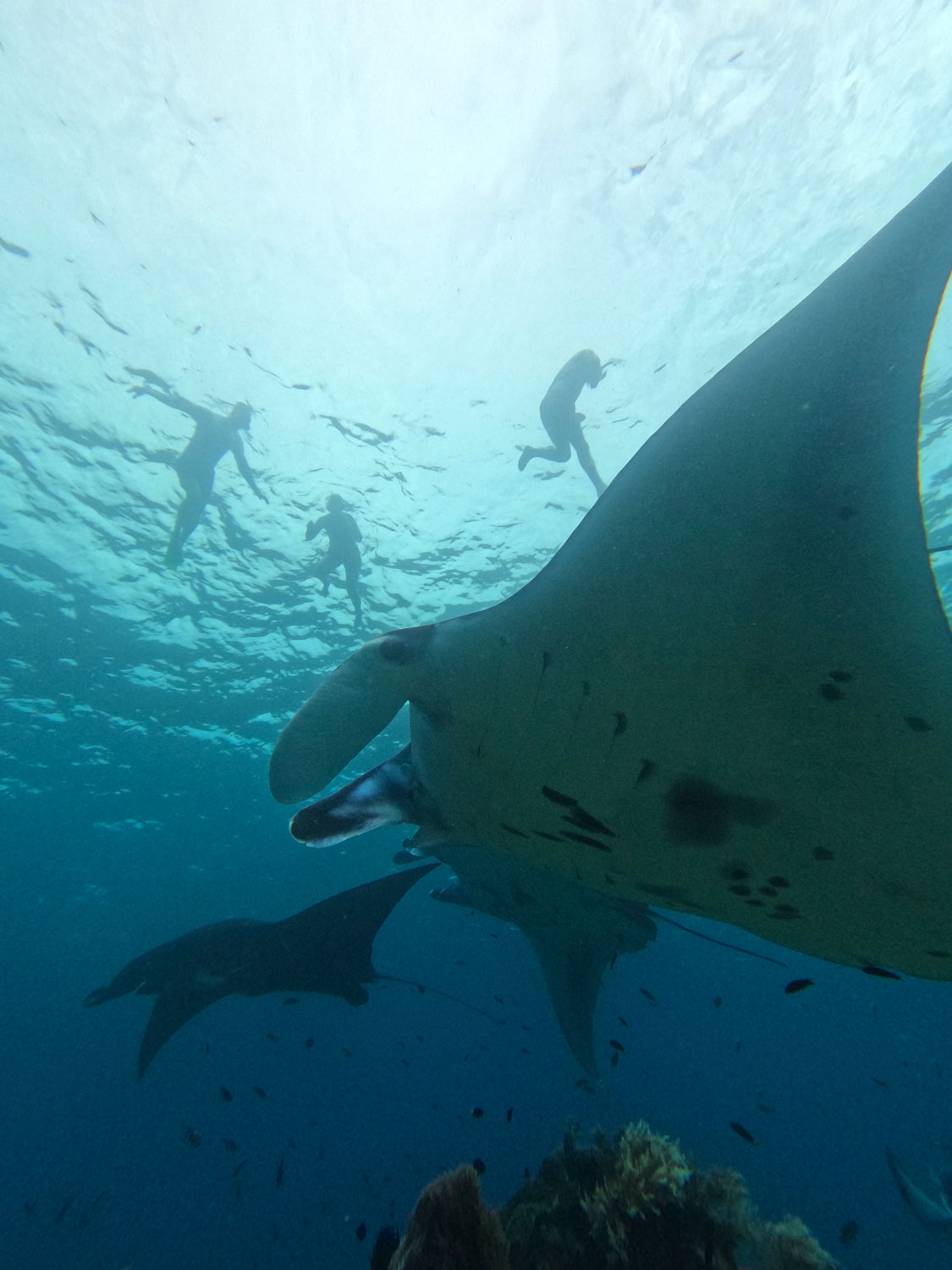
One of the most famous places to look for manta rays is Manta Point. The area is known for its currents and nutrient-rich waters, which can attract manta rays as they feed. On the right day, travelers may have the opportunity to watch several manta rays moving through the water. The experience can be surprisingly peaceful. You may be floating on the surface, surrounded by nothing but blue water, when a dark silhouette slowly appears in the distance. As it approaches, its wings begin to take shape — and suddenly you realize that a giant manta ray is swimming directly toward you.
Then, just as gracefully, it disappears into the blue. That brief encounter is often the moment travelers remember long after their Komodo trip is over.
Manta Point and the Changing Ocean
One important thing to understand about manta ray encounters is that nature does not follow a fixed schedule. Manta rays are wild animals. Their presence can depend on currents, tides, weather, food availability, and seasonal conditions. That means there is never a guarantee that you will see a manta ray on a particular day and perhaps that is part of what makes the experience special. You are not visiting an aquarium. You are entering their natural environment.
What Makes Komodo a Great Place for Manta Rays?
The magic of Komodo National Park comes from the relationship between its islands and the ocean. Deep channels between the islands create powerful currents. These currents move nutrient-rich water through the park and help support an extraordinary marine ecosystem. The result is a destination where travelers can experience much more than manta rays.
Depending on the itinerary and conditions, a Komodo marine adventure can include:
- Giant manta rays
- Colorful coral reefs
- Tropical reef fish
- Sea turtles
- Reef sharks
- Beautiful underwater landscapes
- Dramatic islands and limestone cliffs
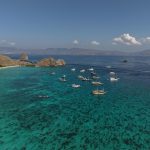
This combination makes Komodo different from a typical beach destination. You can spend the morning watching manta rays underwater, enjoy lunch on a traditional boat, explore a quiet island in the afternoon, and finish the day watching the sunset from the deck.
Snorkeling With Manta Rays in Komodo
You do not always need to be a certified diver to experience manta rays. For many visitors, snorkeling with manta rays in Komodo is one of the highlights of their journey. From the surface, you can watch manta rays glide below you as they move through the current. Their enormous wingspan can make them appear much larger than expected when they come close.
However, snorkeling in areas with strong currents requires attention and proper guidance. Always follow your boat crew or local guide, listen to safety instructions, and avoid chasing or touching the animals. The best encounter is one where you allow the manta ray to decide how close it wants to come.
Diving With Manta Rays in Komodo
For certified divers, Komodo offers another perspective. Descending beneath the surface allows you to experience the underwater environment in greater detail. You can observe manta rays moving through cleaning stations, feeding in the current, or cruising over coral reefs. The combination of strong currents, healthy marine ecosystems, and underwater topography makes Komodo National Park diving particularly exciting for experienced divers. But Komodo’s currents should never be underestimated. Dive sites can vary significantly depending on conditions, so choosing an experienced dive operator and following local guides is essential.
The Best Time to See Manta Rays in Komodo
Manta rays live in the waters around Komodo throughout the year, but sightings can vary depending on location and ocean conditions. Instead of planning your entire trip around a guaranteed manta ray sighting, it is better to think of manta rays as one of the incredible possibilities of a Komodo marine adventure. Weather, tides, currents, and plankton availability can influence where the animals are found on any particular day. Your local crew or guide can adjust the itinerary according to current sea conditions and recent wildlife activity.
More Than Just Manta Rays
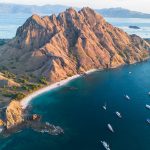
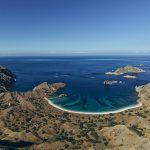
One of the biggest mistakes travelers can make is thinking that Komodo is only about the dragons. Above the water, the national park is filled with rugged landscapes, hidden beaches, dramatic hills, and small islands. Below the surface, another world exists. Coral gardens stretch across the seabed. Schools of fish move through the reef. Sea turtles cruise through clear water. And somewhere in the blue, a manta ray may suddenly appear. This contrast is what makes Komodo National Park such a remarkable destination. It is not one experience. It is an entire journey between land and sea.
A Different Way to Experience Komodo
A liveaboard trip offers one of the most immersive ways to explore the waters around Komodo. Instead of returning to a hotel every afternoon, you stay on the boat and wake up surrounded by the sea. Early mornings can begin with calm water and sunrise. During the day, you can explore snorkeling spots, visit islands, search for manta rays, or take short treks. At night, the boat becomes your floating accommodation beneath the stars. This slower rhythm gives you more time to experience the national park beyond the usual sightseeing route and when the ocean is calm, there is something unforgettable about standing on the deck as the boat moves between the islands.
Respect the Manta Rays
A memorable wildlife encounter should also be a responsible one. When snorkeling or diving with manta rays:
- Keep a respectful distance.
- Never touch or chase manta rays.
- Avoid blocking their natural path.
- Follow instructions from your local guide.
- Use reef-friendly practices whenever possible.
- Avoid disturbing coral and other marine life.
- Choose responsible tour operators that respect the marine environment.
The goal is simple: observe, don’t interfere. The less we disturb these animals, the better the chance that future travelers will experience the same incredible encounter.
Why Manta Ray Komodo National Park Should Be on Your Bucket List
Some travel experiences are about reaching a famous destination. Others are about a single unexpected moment. Seeing a manta ray slowly emerge from the blue belongs to the second category. You may arrive in Komodo dreaming about the dragons. You may come for the beaches, the islands, or the famous viewpoints. But somewhere beneath the surface, another world is waiting.
A world of coral reefs, tropical fish, turtles, currents, and giant manta rays and when a manta ray glides silently past you, its enormous wings moving through the water like it is flying, you may understand why so many travelers leave Komodo talking about the ocean as much as the islands.
Manta Ray Komodo National Park is not simply a place to see manta rays. It is a place to experience the wild side of Indonesia — above and below the water.
Ready to Meet the Giants of the Ocean?
A Komodo liveaboard trip is an unforgettable way to explore the national park, combining island adventures, snorkeling, marine wildlife, beautiful sunsets, and the possibility of encountering manta rays in their natural habitat. Pack your mask, step into the water, and look beneath the surface.
Your Komodo adventure may be waiting there.