




Where Is Komodo Island? Location & Travel Guide
Discover Komodo Island
Where Is Komodo Island? A Complete Travel Guide to Indonesia’s Legendary Island
Discover where Komodo Island is located in Indonesia, how to get there from Labuan Bajo, the best time to visit, top attractions, and travel tips.
Have you ever wondered where Komodo Island is and what makes this remote destination one of the most extraordinary places in Indonesia? Located in the heart of the Indonesian archipelago, Komodo Island is famous for its prehistoric Komodo dragons, dramatic hills, turquoise waters, pink-sand beaches, and incredible marine biodiversity. Far from the busy streets of Indonesia’s major cities, Komodo Island offers a different kind of adventure. Here, rugged landscapes meet crystal-clear seas, traditional wooden boats sail between beautiful islands, and wild Komodo dragons roam their natural habitat.
Whether you are planning your first trip to Indonesia, searching for an unforgettable island-hopping experience, or dreaming of exploring Komodo National Park by boat, understanding where Komodo Island is located is the first step toward planning your journey. In this complete guide, you will discover the exact location of Komodo Island, how to get there, the best places to visit nearby, the ideal time to travel, and everything you need to know before exploring this remarkable destination.
Where Is Komodo Island Located?
Komodo Island is located in East Nusa Tenggara, Indonesia, between the islands of Sumbawa and Flores. It lies within Komodo National Park, a protected area in the Lesser Sunda Islands region of eastern Indonesia. The island is part of the Indonesian archipelago, a vast collection of thousands of islands stretching between mainland Southeast Asia and Australia.
Administratively, Komodo Island belongs to West Manggarai Regency in East Nusa Tenggara Province. The nearest major tourist gateway is Labuan Bajo, a coastal town on the western tip of Flores Island. Although Komodo Island is relatively remote, it has become one of Indonesia’s most sought-after travel destinations thanks to its unique wildlife, spectacular scenery, and world-class snorkeling and diving opportunities.
Where Is Komodo Island on the Map?
To understand its location more easily, imagine traveling east from Bali toward the islands of the Lesser Sunda chain. You would pass through or near Lombok and Sumbawa before reaching Flores. Komodo Island lies in the sea between western Flores and eastern Sumbawa.
The nearest popular departure point for tourists is Labuan Bajo, which offers airport connections, accommodation, restaurants, tour operators, and boat trips into Komodo National Park. Unlike destinations that can be explored entirely by road, Komodo Island is generally reached by boat from Labuan Bajo. This makes the journey itself an important part of the experience, with views of green islands, sheltered bays, and open stretches of the Flores Sea.
Is Komodo Island Part of Bali?
No. Komodo Island is not part of Bali.
Bali Island belongs to a different province, while Komodo Island is located in East Nusa Tenggara. Although both destinations are in Indonesia and are commonly combined in travel itineraries, they offer very different experiences. Bali is known for its temples, rice terraces, beaches, wellness retreats, and vibrant cultural scene. Komodo Island is better known for its wildlife, rugged islands, remote beaches, hiking viewpoints, and underwater adventures. Travelers staying in Bali can fly to Labuan Bajo and continue their journey by boat into Komodo National Park.
For many international visitors, combining Bali with a Komodo boat trip creates an excellent itinerary that balances cultural exploration with nature and adventure.
Where Is Komodo National Park?
Komodo National Park is situated in East Nusa Tenggara, Indonesia, in the waters between Flores and Sumbawa.
Established in 1980, the national park protects a remarkable collection of islands, coastal habitats, and marine ecosystems. It is internationally recognized for its Komodo dragon population and extraordinary underwater biodiversity. The park’s principal islands include Komodo, Rinca, and Padar, alongside numerous smaller islands and reefs. Its landscapes are remarkably diverse. Dry savannah hills rise above secluded beaches, mangrove forests line some coastal areas, and coral reefs support a wide variety of tropical marine life.
Komodo National Park is also part of a UNESCO World Heritage Site, recognized for its outstanding natural significance. The park is much more than a place to see Komodo dragons. It is a destination where travelers can hike across panoramic hills, snorkel over colorful reefs, encounter manta rays in suitable conditions, and discover islands that feel far removed from everyday life.
How Far Is Komodo Island from Labuan Bajo?
Labuan Bajo is the main gateway to Komodo Island and the surrounding national park. The distance depends on the destination, the route taken, and the type of boat used. As a general planning guide, Komodo Island is approximately 35–45 kilometers from Labuan Bajo in a straight line, although the actual sailing distance can be longer.
Travel time also varies depending on the vessel, weather, sea conditions, and itinerary. Speedboats can reach some destinations faster, while traditional wooden phinisi boats usually offer a slower journey with opportunities to enjoy the scenery along the way. Many travelers choose an overnight or multi-day liveaboard trip because it allows them to visit several islands without returning to Labuan Bajo after every excursion.
A 3-day, 2-night Komodo boat trip is a popular option for exploring the national park, with possible stops at scenic viewpoints, beaches, snorkeling locations, and wildlife areas. Always check the actual itinerary with your operator, because not every boat visits the same locations.
How to Get to Komodo Island
The easiest way to reach Komodo Island is to travel to Labuan Bajo first and then join an organized boat trip.
1. Fly to Labuan Bajo
Komodo International Airport (LBJ) serves Labuan Bajo on Flores Island. Travelers can look for flights from major Indonesian cities, including Bali and Jakarta, depending on current airline schedules and available connections.
Flying is generally the most convenient option for international visitors who are already traveling around Indonesia. If you are coming from overseas, you may need to connect through an Indonesian gateway before continuing to Labuan Bajo. It is worth allowing sufficient time between connecting flights, especially if you have booked a multi-day boat trip that departs on a specific date.
2. Travel from Labuan Bajo to the Harbor
After arriving at Komodo International Airport, travelers can arrange transportation to their hotel, the town center, or the harbor. Labuan Bajo is a relatively compact destination, and many tour operators provide pickup services or meeting-point instructions before departure. If you are joining a liveaboard trip, confirm your departure time, meeting location, luggage arrangements, and whether transfers are included in your booking.
3. Take a Boat to Komodo Island
There is no regular road connection between Labuan Bajo and Komodo Island. Visitors normally travel by boat as part of an organized tour.
The available options include:
– Speedboat tours: Suitable for travelers who prefer a faster journey and want to visit selected destinations within a shorter period.
– Shared or open trips: A practical choice for solo travelers, couples, and small groups who want to share the boat experience with other guests.
– Private boat charters: Ideal for families, friends, or travelers who prefer a more personalized itinerary.
– Liveaboard trips: Multi-day sailing experiences that combine accommodation on board with island visits, snorkeling, meals, and time to enjoy the sea.
For travelers who want to experience more than one island, a liveaboard trip can be particularly rewarding. Instead of treating the boat simply as transportation, you can enjoy sunrise and sunset at sea, relax between excursions, and wake up surrounded by the islands of Komodo National Park.
4. Visit Komodo Island with a Local Guide
Once you arrive at Komodo Island, visitors generally follow designated walking routes with authorized local guides or park rangers, according to current park regulations. These guides help visitors understand Komodo dragon behavior, the island’s wildlife, and the importance of protecting this fragile environment.
Komodo dragons are wild animals, not domesticated attractions. Visitors should maintain a safe distance, follow instructions, and never attempt to feed or approach them independently. Following official guidance helps protect both visitors and the animals that make this island so special.
The Best Places to Visit Near Komodo Island
One of the biggest advantages of visiting Komodo National Park is the opportunity to explore several destinations within the same trip. Each island offers a different landscape, atmosphere, and experience.
1. Komodo Island: Home of the Komodo Dragon
Komodo Island is the destination that gives the national park its name and worldwide recognition. It is one of the natural habitats of the Komodo dragon, the world’s largest living lizard. These powerful reptiles can grow to impressive lengths and use their keen senses to locate prey in their environment.
Visitors may encounter Komodo dragons during guided walks, although sightings are never guaranteed. Beyond the wildlife, the island features dry tropical forests, open grasslands, rugged hills, and coastal scenery. Exploring Komodo Island is an opportunity to learn about an extraordinary predator while gaining a greater appreciation for the natural ecosystems of Indonesia.
2. Padar Island: Spectacular Panoramic Views
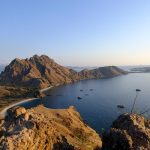
Padar Island is one of the most photographed destinations in Komodo National Park. Its distinctive landscape features steep green-brown hills, winding ridgelines, and several bays with contrasting beach colors. From the main viewpoint, visitors can see the dramatic shape of the island and the surrounding sea.
The hike to the viewpoint involves uneven paths and uphill sections, so comfortable walking shoes, water, and sun protection are recommended. The view is especially beautiful in the early morning, when the light gradually illuminates the hills and bays. Although Padar Island is often included in popular boat itineraries, the timing of visits depends on the operator, weather, and current park arrangements.
3. Pink Beach: A Rare Coastal Landscape
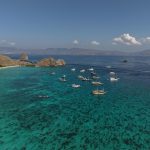
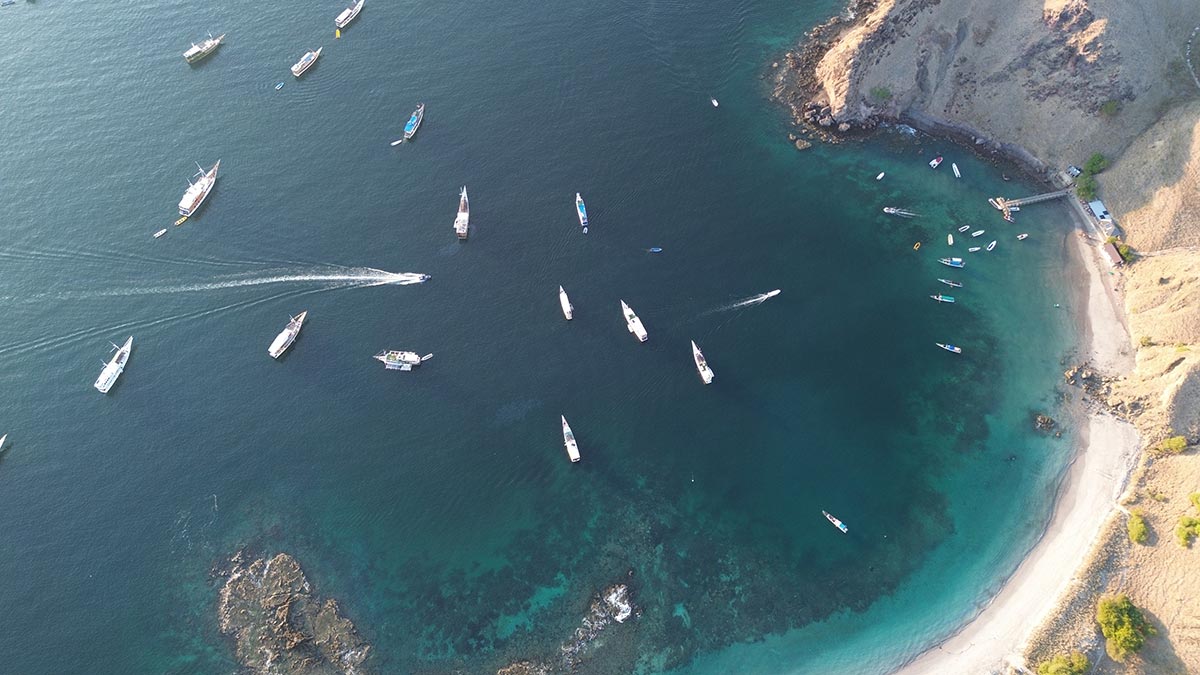
Pink Beach is famous for its distinctive pinkish sand, which creates a striking contrast with the turquoise water.
The color comes from a mixture of pale sand and tiny fragments of red-pigmented marine organisms, including foraminifera, that contribute to the beach’s pink appearance. The shade varies with the light, the wetness of the sand, and the particular section of the beach. Pink Beach is also a popular place for swimming and snorkeling when sea conditions are suitable. Beneath the surface, visitors may discover tropical fish and coral communities. To help preserve this natural environment, avoid taking sand, standing on coral, or leaving rubbish behind.
4. Manta Point: An Opportunity to See Manta Rays
Manta Point is a well-known marine destination in the Komodo region where manta rays may be encountered in the water. These graceful animals move through the sea with broad, wing-like pectoral fins, creating an unforgettable sight for snorkelers and divers. However, manta ray sightings depend on natural conditions, and there is no guarantee that they will appear during every visit.
Currents in parts of Komodo National Park can be strong and unpredictable. Snorkeling or diving should only take place at suitable sites under the guidance of experienced local professionals. Visitors should never chase, touch, block, or attempt to ride manta rays. Respectful wildlife encounters help protect these remarkable marine animals.
5. Taka Makassar: A Sandbank in the Sea
Taka Makassar is a small, crescent-shaped sandbank surrounded by clear blue and turquoise water. Its appearance changes with the tide, sometimes creating a beautiful stretch of pale sand that seems to float in the middle of the ocean. This location is popular for photography, relaxing on the sand when conditions permit, and enjoying the surrounding seascape. Because it is exposed and offers little natural shade, visitors should bring sun protection and follow their boat crew’s advice about tides and sea conditions.
6. Kanawa Island: Clear Water and Marine Life
Kanawa Island is another beautiful island in the wider Labuan Bajo region, known for its clear water, beaches, and snorkeling opportunities. It can be an appealing addition to an island-hopping itinerary, especially for travelers who enjoy swimming and observing marine life.
The visibility and snorkeling conditions depend on the season, tides, weather, and local currents. Check with your tour operator whether Kanawa Island is included in your chosen route, as not every Komodo National Park itinerary covers the same locations.
7. Kelor Island: A Short Hike with Beautiful Views
Kelor Island is a small island often visited on boat trips departing from Labuan Bajo. It is known for its sandy beach, clear water, and short but steep uphill walk to a viewpoint. From the top, visitors can enjoy views across the surrounding islands and sea. Kelor is a good option for travelers who want a combination of light hiking, swimming, and scenic photography. The climb can be slippery or tiring in hot weather, so take care on the trail.
What Makes Komodo Island So Special?
Komodo Island stands out because it combines wildlife, remote landscapes, and extraordinary marine environments in one destination.
The World's Largest Living Lizard
Komodo dragons are the park’s most famous residents. These reptiles are native to several Indonesian islands and have adapted to a warm, seasonal environment. They have muscular bodies, powerful tails, sharp claws, and a highly developed sense of smell. Their feeding behavior and ecological role make them important subjects of wildlife research and conservation.
Seeing a Komodo dragon in its natural habitat is very different from observing wildlife in a zoo. The experience also highlights why responsible tourism and habitat protection matter.
Remarkable Marine Biodiversity
The waters surrounding Komodo National Park support coral reefs, reef fish, sea turtles, manta rays, and many other marine organisms. The region lies within the Coral Triangle, one of the world’s most biologically rich marine areas. Its underwater ecosystems attract divers from around the world. However, currents and changing sea conditions mean that individual dive sites are not suitable for every experience level.
Choose operators that assess conditions carefully and prioritize safety and marine conservation.
Landscapes That Change from Island to Island
Komodo National Park is not a single uniform landscape. One stop may feature dry hills and rugged ridges, while another offers pale sand, mangroves, sheltered bays, or colorful coral reefs. The combination of land and sea creates excellent opportunities for hiking, photography, snorkeling, wildlife observation, and relaxation. For many visitors, the greatest attraction is not a single landmark but the variety of experiences that unfold during a multi-day sailing journey.
A Different Way to Experience Indonesia
Unlike a city-based holiday, a Komodo boat trip allows travelers to spend much of their time moving between islands. Mornings may begin with a view of distant hills, afternoons can be spent swimming or exploring beaches, and evenings often bring beautiful sunsets over the water. This slower rhythm is one of the reasons liveaboard travel has become an appealing way to discover the region.
Best Time to Visit Komodo Island
Komodo Island can be visited throughout much of the year, but weather, rainfall, sea conditions, vegetation, and wildlife activity can influence the experience.
April to June: Green Landscapes and Pleasant Conditions
The months after the main rainy season can bring greener hills, attractive scenery, and opportunities for outdoor exploration. Conditions vary from year to year, but this period can be appealing for travelers who want to combine hiking, snorkeling, and island photography.
July to August: Popular Travel Season
July and August are busy months for tourism in the Labuan Bajo region. Travelers often choose this period for island-hopping holidays and multi-day boat trips. Booking accommodation and boat departures in advance is advisable, particularly for popular dates. Sea conditions and visibility vary by location, so check the latest forecast before departure.
September to November: A Great Period for Island Adventures
September to November can offer appealing opportunities for sailing, snorkeling, and exploring the islands, depending on local weather and sea conditions. This period can be worth considering if you want to avoid some of the busiest holiday dates while still enjoying a wide range of activities.
Manta ray encounters are possible at different times of the year, but sightings depend on local conditions and should never be treated as guaranteed.
December to March: The Rainier Season
The wetter months can bring heavier rainfall, rougher seas, and changes to boat schedules. Travel is still possible, but itineraries may be adjusted or canceled when conditions are unsafe. If you plan to visit during this period, allow flexibility and choose an operator that follows weather and harbor safety advice.
Travel tip: There is no single month that guarantees perfect weather or wildlife sightings. Before booking, ask your operator about the expected route, sea conditions, park access, and any seasonal restrictions.
How Many Days Do You Need to Explore Komodo Island?
The ideal length of your trip depends on how much of Komodo National Park you want to experience.
One Day: A Short Introduction
A one-day boat tour can be suitable if you have limited time. Depending on the route and conditions, you may visit selected highlights such as Padar Island, Pink Beach, or other accessible destinations. However, a day trip cannot cover every island, and travel time may limit the number of stops.
3 Days and 2 Nights: A More Complete Experience
A 3-day, 2-night liveaboard trip is a popular choice for travelers who want to experience several parts of the national park.
Depending on the itinerary, activities may include:
– Hiking to the panoramic viewpoint on Padar Island.
– Visiting Komodo Island or another authorized dragon-viewing location.
– Relaxing on Pink Beach.
– Snorkeling at selected reef sites.
– Searching for manta rays when conditions and the route are suitable.
– Visiting sandbanks and smaller islands.
– Watching sunrise and sunset from the boat.
Sleeping on board reduces the need to return to Labuan Bajo every evening and allows you to experience the islands at different times of the day.
Four Days or Longer: More Time to Explore
A longer trip may offer more opportunities to explore additional islands, enjoy slower mornings, or spend extra time snorkeling and diving. It can be particularly suitable for travelers who prefer a relaxed pace, underwater activities, or a private charter with a customized route. Remember that longer trips do not automatically guarantee better wildlife sightings. The route should always be adapted to weather, sea conditions, park regulations, and safety requirements.
What to Pack for a Komodo Island Trip
Komodo’s tropical climate and outdoor activities make practical packing essential.
Consider bringing:
- Lightweight, breathable clothing.
- Comfortable walking shoes or hiking sandals with good grip.
- Swimwear and a quick-drying towel.
- Reef-conscious sun protection and a hat.
- Sunglasses and a reusable water bottle.
- A waterproof bag for electronics.
- A camera or phone with sufficient storage.
- Personal medication and basic travel essentials.
- Cash for incidental expenses where card payments may not be available.
- A light rain jacket during wetter months.
If you plan to snorkel, ask whether masks, snorkels, fins, and flotation equipment are provided by your boat operator. Avoid bringing single-use plastic where possible, and take all rubbish back with you.
Is Komodo Island Safe to Visit?
Komodo Island is a well-established destination for guided nature tourism, but visitors need to respect both wildlife and the marine environment. Komodo dragons are powerful wild animals. Always stay with your authorized guide or ranger, follow instructions, maintain the required distance, and never feed or provoke wildlife. The sea also requires care. Currents around the national park can be strong, and conditions may change quickly. Only enter the water when your guide or boat crew confirms that it is safe. For hiking, wear appropriate footwear, carry water, and be mindful of heat and uneven terrain. Before departure, check current travel advice, park requirements, weather forecasts, and any restrictions announced by the relevant authorities. Responsible planning allows you to enjoy the destination while helping protect its wildlife and natural beauty.
Why Choose a Komodo Liveaboard Trip?
If you are asking where Komodo Island is because you want to visit, consider making the journey part of the adventure. A liveaboard trip combines transportation, accommodation, and island exploration in one sailing experience. Rather than returning to a hotel in Labuan Bajo every day, you stay on the boat while traveling between selected destinations.
Depending on the boat and package, a liveaboard experience may include:
- Accommodation on board for multiple nights.
- Meals during the trip.
- Island-hopping excursions.
- Guided trekking at selected locations.
- Snorkeling sessions.
- Opportunities to enjoy sunsets and sunrises at sea.
Travelers can choose a shared trip to meet other guests or a private charter for greater flexibility and privacy. When comparing boats, look beyond the price. Review the cabin type, bathroom arrangements, meal plan, safety equipment, crew experience, itinerary, park fees, and any additional charges.
A well-planned trip gives you more than a list of destinations. It creates time to enjoy the landscape, appreciate local wildlife, and experience the extraordinary beauty of the Indonesian islands.
Responsible Tourism in Komodo National Park
Komodo National Park is a valuable natural environment, and its long-term protection depends partly on responsible visitor behavior. You can help protect the area by following a few simple principles:
- Observe Komodo dragons only under authorized guidance.
- Never feed, touch, or disturb wildlife.
- Avoid standing on or touching coral reefs.
- Do not collect sand, shells, coral, or other natural objects.
- Use reusable bottles and minimize plastic waste.
- Follow designated trails and respect local instructions.
- Choose operators that prioritize passenger safety and environmental responsibility.
The goal is not simply to see a beautiful place, but to leave it as undisturbed as possible for future generations.
Final Thoughts: Where Is Komodo Island and Why Should You Visit?
Komodo Island is located in East Nusa Tenggara, Indonesia, between the islands of Flores and Sumbawa. It forms part of Komodo National Park, a world-renowned destination celebrated for its Komodo dragons, spectacular islands, pink-sand beaches, and diverse marine life. The easiest way to visit is to fly to Labuan Bajo and continue by boat. From there, travelers can explore a collection of extraordinary destinations, from the panoramic hills of Padar Island to the reefs and beaches scattered throughout the national park.
Whether you have one day or several nights, Komodo offers an experience that combines wildlife, adventure, and the freedom of sailing through one of Indonesia’s most beautiful island regions. For travelers who want to discover more than a single island, a 3-day, 2-night liveaboard journey can be an excellent way to experience the landscapes and marine life of Komodo National Park at a more relaxed pace.
Start your journey in Labuan Bajo, sail into Komodo National Park, and discover why this remarkable corner of Indonesia deserves a place on your travel list.
Frequently Asked Questions About Komodo Island
Where is Komodo Island located?
Komodo Island is located in East Nusa Tenggara, Indonesia, between Flores and Sumbawa. It is part of Komodo National Park, a UNESCO World Heritage Site known for its Komodo dragons and rich marine biodiversity.
How do you get to Komodo Island?
The most convenient way is to fly to Komodo International Airport in Labuan Bajo, Flores, and then take a boat tour to Komodo Island. You can choose a day trip, a shared boat tour, or a multi-day liveaboard journey.
Is Komodo Island near Bali?
Komodo Island is not part of Bali. It is located farther east in Indonesia. Travelers can connect from Bali to Labuan Bajo by air, subject to available flight schedules, and continue by boat.
Why is Komodo Island famous?
Komodo Island is famous for its wild Komodo dragons, spectacular landscapes, pink-sand beaches, and surrounding marine ecosystems. Komodo National Park was established in 1980 and inscribed on the UNESCO World Heritage List in 1991.
Can you see Komodo dragons on Komodo Island?
Yes, visitors may see Komodo dragons in their natural habitat during guided visits. However, sightings are not guaranteed. Always follow the instructions of authorized guides or park rangers and maintain a safe distance from the animals.
How many days should you spend in Komodo National Park?
One day is suitable for a short visit to selected destinations. A 3-day, 2-night liveaboard trip is a popular option for travelers who want more time for island hopping, trekking, snorkeling, and enjoying the scenery.
What is the best month to visit Komodo Island?
The best time depends on your travel preferences, weather conditions, and planned activities. April to June and September to November can be appealing periods for island exploration, while July and August are popular travel months. Always check the local forecast and sea conditions before departure.
Is Komodo Island worth visiting?
Absolutely. Komodo Island offers a rare combination of wildlife encounters, dramatic island landscapes, clear tropical waters, and memorable sailing experiences. It is especially worthwhile for travelers who enjoy nature, snorkeling, hiking, and exploring destinations by boat.
Can you stay overnight on Komodo Island?
Most visitors stay in Labuan Bajo or aboard a liveaboard boat rather than overnight on Komodo Island itself. A liveaboard trip allows you to sleep on the boat while visiting different destinations throughout Komodo National Park.
What is the difference between Komodo Island and Komodo National Park?
Komodo Island is one specific island. Komodo National Park is the larger protected area that includes Komodo Island, Rinca Island, Padar Island, and numerous smaller islands and surrounding marine habitats.