




15 Interesting Places in Indonesia to Visit
15 Interesting Places
Interesting Places in Indonesia: 15 Incredible Destinations to Explore
Discover 15 interesting places in Indonesia, from Bali and Komodo National Park to Raja Ampat, ancient temples, volcanoes, and hidden islands.
Indonesia is a country where every journey reveals something extraordinary. From emerald rice terraces and ancient temples to volcanic mountains, remote tropical islands, and some of the world’s most fascinating marine environments, this Southeast Asian archipelago offers experiences for almost every kind of traveler.
With thousands of islands spread across a vast area, Indonesia is much more than a destination for beach holidays. It is a place where travelers can discover ancient civilizations, encounter unique wildlife, explore traditional villages, dive into colorful coral reefs, and experience cultures that differ from one island to another.
If you are searching for interesting places in Indonesia, the hardest part may not be deciding whether to visit, but choosing where to begin.
This guide explores 15 remarkable destinations across Indonesia, explaining what makes each place special, what travelers can experience there, and how to plan a memorable visit.
1. Komodo National Park, East Nusa Tenggara
Komodo National Park is one of the most extraordinary places to visit in Indonesia, particularly for travelers who want to combine wildlife encounters, island adventures, snorkeling, and dramatic natural landscapes.
Located in East Nusa Tenggara, the national park is famous for the Komodo dragon, the world’s largest living lizard. However, its appeal extends far beyond this remarkable reptile. The region features rugged islands, turquoise waters, coral reefs, secluded beaches, and panoramic viewpoints that make every sailing journey feel different.
What makes Komodo National Park special?
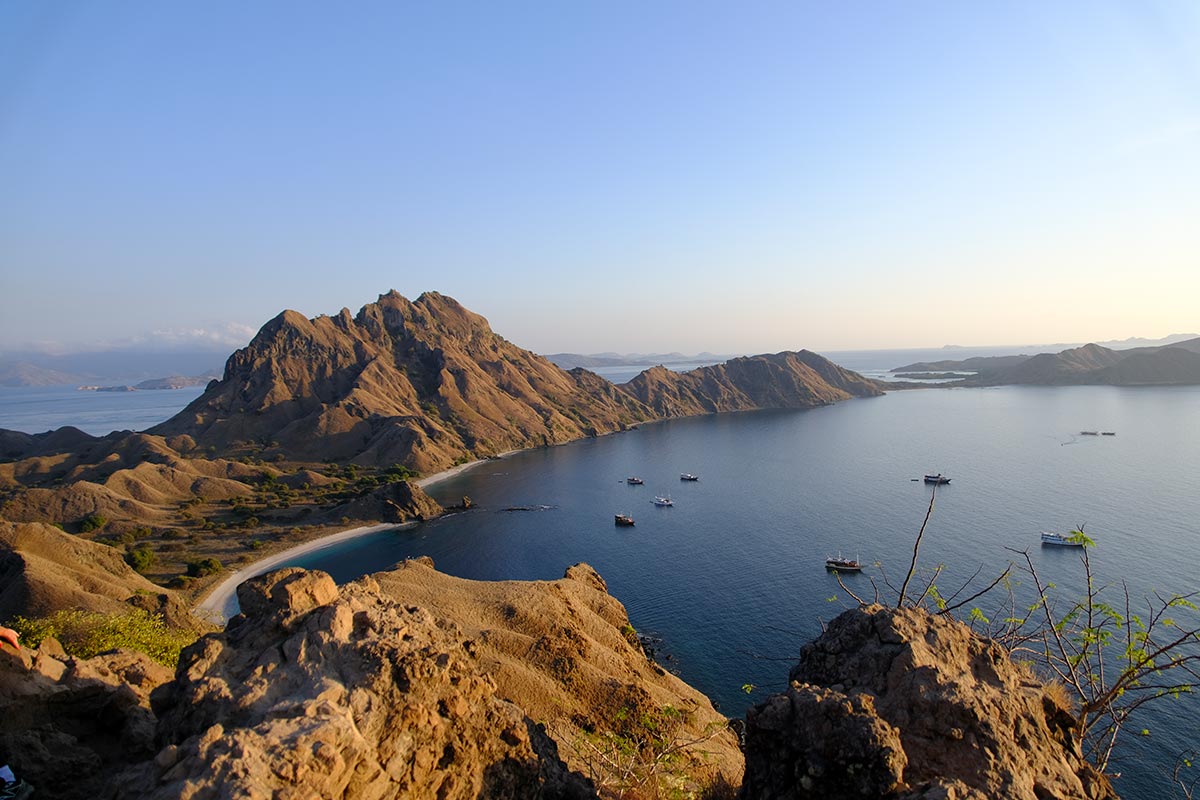
One of the most memorable experiences is visiting Padar Island, where a steep hiking trail leads to a viewpoint overlooking several curved bays. The contrasting colors of the surrounding hills, beaches, and ocean create one of Indonesia’s most recognizable landscapes.
Other highlights include:
- Komodo Island and Rinca Island: Observe Komodo dragons in their natural habitat with authorized local park guides or rangers.
- Pink Beach: Discover a beach with naturally pinkish sand created by a mixture of pale sand and reddish marine organisms.
- Manta Point: Explore selected snorkeling or diving locations where manta rays may be encountered, depending on conditions.
- Taka Makassar: Visit a small sandbank surrounded by clear water, with its appearance changing according to tides.
- Kalong Island: Watch flying foxes leave their roosts around sunset when conditions are suitable.
- Sebayur Island: Enjoy beautiful underwater scenery and opportunities for snorkeling and diving.
The best way to explore Komodo National Park
A komodo boat trip is one of the most convenient ways to visit several islands within the park. A 3-day, 2-night liveaboard journey allows travelers to sleep on board, visit multiple destinations, enjoy meals during the trip, and experience the changing colors of the sea throughout the day.
Travelers can choose a shared trip to meet other visitors or a private charter for a more personalized experience.
The dry season, generally from April to October, is popular for island exploration, although weather, sea conditions, and underwater visibility vary throughout the year.
For travelers seeking a combination of wildlife, beautiful scenery, and ocean adventures, Komodo National Park deserves a place near the top of any Indonesia itinerary.
2. Bali: A Blend of Beaches, Culture, and Nature
Bali Island remains one of the most popular destinations in Indonesia because it offers an impressive variety of experiences within a relatively compact island.
Beyond its famous beaches, Bali is known for traditional temples, terraced rice fields, artistic communities, waterfalls, volcanic landscapes, and distinctive Hindu cultural traditions.
Interesting places to visit in Bali
Ubud is an excellent destination for travelers interested in art, traditional culture, wellness, and green landscapes. Visitors can explore local art galleries, traditional markets, temples, and nearby rice terraces.
Located on Bali’s southern peninsula, Uluwatu is famous for its dramatic limestone cliffs, ocean views, surf beaches, and the Uluwatu Temple. Visitors can also experience the traditional Kecak dance, often performed around sunset.
These extensive rice terraces reveal Bali’s agricultural heritage and traditional water-management practices. The landscape is particularly attractive for walking, photography, and understanding the relationship between local communities and the land.
Adventure seekers can join an organized early-morning hike to experience sunrise over the volcanic landscape. Weather and trail conditions should always be checked before departure.
Why visit Bali?
Bali Travel works well for first-time visitors because it combines accommodation choices, restaurants, transportation, cultural activities, and outdoor adventures. Travelers can spend a morning exploring temples, an afternoon at the beach, and an evening enjoying local cuisine.
For a more rewarding experience, consider visiting quieter villages and less crowded natural attractions rather than spending the entire trip in the busiest tourist districts.
3. Raja Ampat, Southwest Papua
Raja Ampat is one of Indonesia’s most spectacular destinations for travelers interested in marine biodiversity, island scenery, and remote natural environments. Located off the northwestern tip of Papua, this remarkable archipelago is known for its forest-covered limestone islands, clear tropical waters, and extraordinary underwater ecosystems.
What can you experience in Raja Ampat?
One of the most famous viewpoints is Piaynemo, where a hike leads to a panorama of small limestone islands scattered across blue-green water. Visitors can also explore sheltered lagoons, snorkel over coral reefs, dive at selected sites, and discover coastal communities. The underwater world is a major attraction. Colorful reef fish, coral formations, and a wide range of marine species make Raja Ampat especially appealing to divers and underwater photographers. However, reaching Raja Ampat generally requires more planning than visiting destinations such as Bali. Travelers should account for flights, boat transfers, accommodation, and potentially limited transport schedules.
Raja Ampat is particularly suitable for nature lovers who prefer spending several days exploring a destination rather than rushing between attractions.
4. Borobudur Temple, Central Java
Borobudur is one of Indonesia’s most significant historical and cultural landmarks. This monumental Buddhist temple is located in Central Java and is recognized as a UNESCO World Heritage Site. Built during the Sailendra dynasty, the temple reflects sophisticated architecture, religious symbolism, and detailed stone craftsmanship.
What makes Borobudur fascinating?
Borobudur is constructed as a series of stone platforms decorated with relief panels and Buddha figures. Its architecture represents a symbolic journey through different stages of Buddhist understanding. Visitors can appreciate the detailed carvings, examine the temple’s symmetrical structure, and learn about the history and beliefs represented in its design. The surrounding landscape, with its green fields and distant hills, adds to the experience.
A visit can be combined with nearby cultural destinations, including Yogyakarta and Prambanan Temple, making Borobudur an excellent stop on a broader Central Java itinerary. Before visiting, check current access rules. Access to the upper temple structures may be regulated, and special tickets or guided arrangements can apply.
5. Mount Bromo, East Java
Mount Bromo offers a completely different landscape from Indonesia’s tropical beaches. Located within Bromo Tengger Semeru National Park in East Java, it is known for its vast volcanic caldera, sandy plains, rugged mountains, and atmospheric sunrise views. The landscape can feel almost otherworldly, especially when mist moves across the surrounding hills.
Things to do at Mount Bromo
The classic experience begins before dawn, when travelers travel to a viewpoint to watch the sun rise over the volcanic landscape. After sunrise, visitors can explore the Sea of Sand and approach the Mount Bromo crater area using designated routes, subject to current safety restrictions. The surrounding national park also offers opportunities for photography, scenic drives, and learning about the traditions of the Tenggerese community.
Because Mount Bromo is an active volcano, access to certain areas can change according to volcanic activity. Always follow official safety guidance. Mount Bromo is a strong choice for travelers who enjoy hiking, dramatic scenery, photography, and adventure.
6. Lake Toba, North Sumatra
Lake Toba is a vast volcanic lake surrounded by green hills and traditional Batak communities. Its immense scale creates a peaceful atmosphere that contrasts with Indonesia’s busy cities and popular beach destinations. At the center of the lake lies Samosir Island, a major base for exploring the region.
What to see around Lake Toba
Travelers can visit traditional Batak villages, discover local architecture, learn about Batak cultural traditions, and enjoy panoramic lake views. Samosir Island also provides opportunities for cycling, walking, visiting small museums, and enjoying the relaxed pace of lakeside life. Local cuisine is another highlight. Visitors can sample regional dishes and learn about culinary traditions that differ from those found elsewhere in Indonesia.
Lake Toba is ideal for travelers who want a slower holiday focused on scenery, culture, and time in nature. The cooler highland atmosphere can also offer a welcome change from the heat of coastal destinations.
7. Lombok and the Gili Islands
Lombok, located east of Bali, offers a combination of mountain scenery, traditional villages, beautiful beaches, and outdoor activities. Although it shares some geographical similarities with Bali, Lombok has its own Sasak cultural heritage and a distinct atmosphere.
Interesting places in Lombok
Mount Rinjani
Mount Rinjani is a major attraction for experienced hikers. Trekking routes offer views of volcanic landscapes and Segara Anak, a crater lake within the mountain. Multi-day hikes require preparation and should be arranged with suitable guides.
Kuta Mandalika
The southern coast features scenic bays, rolling hills, and surfing beaches. It is an appealing base for visitors who want to combine beach time with exploring the countryside.
Sasak Traditional Villages
Visitors can learn about traditional houses, local crafts, weaving, and everyday cultural practices.
Exploring the Gili Islands
The Gili Islands, located off Lombok’s northwestern coast, are popular for snorkeling, diving, cycling, and relaxing beside the sea. Depending on the island and conditions, visitors may have opportunities to see sea turtles in the water. Lombok and the Gili Islands are suitable for travelers who want an island holiday with a mixture of relaxation and outdoor adventure.
8. Wae Rebo Traditional Village, Flores
Wae Rebo is a traditional village in the mountains of Flores, East Nusa Tenggara. Surrounded by forested hills, the village is famous for its distinctive cone-shaped traditional houses and strong cultural identity. Unlike destinations where visitors can simply arrive by car and begin exploring, reaching Wae Rebo involves a journey through rural landscapes and a trek to the village.
Why visit Wae Rebo?
The journey itself is part of the experience. Travelers pass through forested paths and mountain scenery before reaching the village, where traditional houses create a striking visual contrast against the surrounding green landscape. Visitors can learn about local customs, community life, traditional architecture, and the importance of preserving cultural heritage. Staying overnight, when permitted and arranged with the community, provides a more immersive experience than a brief visit. Respect is essential. Visitors should follow local guidance, ask before photographing residents, and observe any cultural protocols explained by community members. Wae Rebo is particularly rewarding for travelers who appreciate cultural experiences, hiking, and places that feel far removed from crowded tourist centers.
9. Tana Toraja, South Sulawesi
Tana Toraja is one of Indonesia’s most distinctive cultural destinations. Located in the highlands of South Sulawesi, the region is known for traditional Tongkonan houses, dramatic mountain scenery, intricate wood carvings, and elaborate funeral traditions.
Discovering Torajan culture
Tongkonan houses are recognizable by their curved, boat-shaped roofs and richly decorated exteriors. They are important symbols of family identity, heritage, and social relationships. Travelers can explore traditional settlements, visit local markets, and learn about the history of Torajan communities. Some locations feature traditional burial sites and cliffside graves that reflect local beliefs about death, ancestry, and the afterlife.
Funeral ceremonies, when accessible to visitors, are important community and family events rather than tourist performances. Visitors should attend only when appropriately invited or guided and should respect photography restrictions and local customs. Tana Toraja is an excellent choice for travelers seeking a deeper understanding of Indonesia’s cultural diversity.
10. Yogyakarta, Central Java
Yogyakarta is a lively cultural city where traditional arts, historic landmarks, education, and contemporary creativity come together. Often called Jogja, the city provides a convenient base for visiting major temples and exploring Javanese culture.
The best experiences in Yogyakarta
Kraton Yogyakarta
The Sultan’s Palace is an important cultural landmark that introduces visitors to the history and traditions of the Yogyakarta Sultanate.
Prambanan Temple
This impressive Hindu temple complex features towering stone structures and detailed carvings dedicated to Hindu deities. It is one of Indonesia’s most important cultural attractions.
Malioboro Street
Malioboro is a lively area for shopping, street food, souvenirs, and experiencing the everyday atmosphere of the city.
Traditional batik workshops
Visitors can learn about batik, a traditional textile art that uses wax-resist dyeing techniques. Some workshops offer demonstrations or introductory classes.
Yogyakarta is a rewarding destination for history enthusiasts, food lovers, and travelers who want to explore Indonesian culture beyond its beaches.
11. Flores Island: A Journey Through Remote Landscapes
Flores is an island in East Nusa Tenggara known for its dramatic coastlines, volcanic lakes, traditional villages, mountain scenery, and diverse local cultures. For travelers who enjoy road trips, Flores offers the opportunity to experience a different landscape almost every day.
Interesting places to discover in Flores
Kelimutu National Park
Kelimutu is famous for its three crater lakes, whose colors can differ and change over time because of variations in their water chemistry and volcanic conditions.
Ruteng
Ruteng is a highland town that provides access to green landscapes, traditional settlements, and the distinctive spiderweb-shaped rice fields known as *lingko* in the Manggarai region.
Nuca Molas is a lesser-known island destination off the southern coast of Flores. Travelers interested in remote coastal scenery can investigate local boat arrangements and conditions before visiting.
Labuan Bajo is a popular gateway to Komodo National Park and a destination in its own right, with harbor views, island excursions, seafood restaurants, and sunset viewpoints. A road trip across Flores can take several days, depending on the route and stops. Roads may be winding, and travel times can be longer than distances on a map suggest. Flores is best for travelers who want to discover more than one destination and appreciate the journey between places.
12. Tana Lot Temple, Bali
Tana Lot is one of Bali’s best-known coastal temples, recognized for its dramatic setting on a rocky formation beside the sea. The temple is particularly photogenic around sunset, when the sky and ocean can create a beautiful backdrop.
What to expect at Tana Lot
Visitors can explore the surrounding temple complex, browse local shops, enjoy coastal viewpoints, and photograph the temple from designated areas. The experience depends heavily on the tides and weather. At certain times, the rock formation is surrounded by water; at lower tide, parts of the surrounding area may be accessible on foot. Although the temple is a popular attraction, its cultural and spiritual significance should not be overlooked. Visitors should respect restricted areas and local worshippers. Tana Lot works well as a half-day excursion from parts of southern Bali, especially when combined with other nearby attractions.
13. Derawan Islands, East Kalimantan
The Derawan Islands offer a quieter alternative to some of Indonesia’s more famous tropical destinations. Located off the coast of East Kalimantan, the region is known for clear waters, marine habitats, islands, and opportunities for snorkeling and diving.
What makes the Derawan Islands interesting?
Derawan can be a good destination for travelers who enjoy marine wildlife and a slower island atmosphere. Depending on the specific island and local conditions, visitors may explore coral reefs, look for sea turtles, and arrange boat trips to nearby marine attractions. Maratua and Kakaban are also well-known names in the wider region. Kakaban is famous for its lake containing stingless jellyfish, although encounters and access conditions depend on environmental conditions and local regulations.
Because the region is relatively remote, planning transport and accommodation in advance is important. The Derawan Islands are especially appealing to travelers who want to explore Indonesia’s marine environments away from the busiest resort areas.
14. Wakatobi National Park, Southeast Sulawesi
Wakatobi is a marine destination celebrated for its coral reefs, clear tropical waters, and rich underwater ecosystems. The name Wakatobi comes from the four main islands of Wangi-Wangi, Kaledupa, Tomia, and Binongko.
The underwater appeal of Wakatobi
Divers and snorkelers can explore coral gardens, reef slopes, and a variety of underwater habitats. The region is particularly attractive to underwater photographers and marine enthusiasts. However, the experience is not limited to diving. Visitors can also learn about local coastal communities, enjoy island scenery, and discover aspects of maritime life in Southeast Sulawesi. Because access can require connecting flights and boat transfers, Wakatobi is generally better suited to travelers who can spend several days in the area. Responsible tourism is especially important in marine destinations. Visitors should avoid touching coral, feeding wildlife, or disturbing marine animals.
15. Belitung Island, Bangka Belitung Islands
Belitung is known for its pale sandy beaches, clear water, and distinctive granite boulders scattered along the coast. Compared with Indonesia’s busier tourist destinations, Belitung can offer a more relaxed island holiday centered on beaches, boat excursions, and local food.
What to do in Belitung
Visitors can explore Tanjung Tinggi Beach, photograph the dramatic granite formations, relax by the sea, and arrange island-hopping excursions when conditions permit. The surrounding islands offer opportunities for swimming, snorkeling, and enjoying the coastal scenery. Belitung is also a good destination for travelers interested in seafood and local cuisine. Its combination of accessible beaches and unusual rock formations makes it especially appealing to couples, families, and photographers.
How to Choose the Best Places to Visit in Indonesia
Indonesia is so geographically diverse that trying to explore the entire country in one trip can become exhausting and expensive. The better approach is to choose destinations that complement one another.
Here is a simple guide to matching destinations with your travel interests.
Island hopping and wildlife Komodo National Park
Beaches and cultural activities Bali
Diving and marine biodiversity Raja Ampat, Wakatobi
Ancient temples and history Borobudur, Yogyakarta
Volcanoes and hiking Mount Bromo, Mount Rinjani
Traditional villages and culture Wae Rebo, Tana Toraja
Lakes and peaceful landscapes Lake Toba
Quiet tropical beaches Belitung, Derawan Islands
Scenic road trips Flores Island
Surfing and coastal adventures Lombok
How many days do you need to explore Indonesia?
The ideal duration depends on the number of islands you want to visit and the transportation required.
– 5–7 days: Focus on one main region, such as Bali or Labuan Bajo and Komodo National Park.
– 10–14 days: Combine two destinations with suitable flight connections, such as Bali and Yogyakarta or Bali and Flores.
– 2–3 weeks: Explore several regions at a more relaxed pace, allowing time for transfers and unexpected travel delays.
Avoid planning too many distant destinations into a short holiday. Domestic flights, boat transfers, weather, and road conditions can all affect your itinerary.
Best Time to Visit Interesting Places in Indonesia
Indonesia has a tropical climate, with conditions varying by region, altitude, and season. Many popular destinations in Bali, Java, and parts of East Nusa Tenggara generally experience a drier period around April to October. However, the best time to visit depends on the activities you want to enjoy.
Dry season
The drier months are often attractive for hiking, sightseeing, island hopping, and exploring beaches. In Komodo National Park, these months are popular for boat trips and island viewpoints.
Rainy season
Rainy periods can bring lush landscapes, fewer visitors at some attractions, and different photographic opportunities. However, heavy rainfall may affect road access, hiking, boat schedules, and visibility. Marine destinations such as Raja Ampat and Wakatobi have their own seasonal patterns. Check local conditions rather than assuming the same travel season works equally well across Indonesia.
Travel tip: Before booking, confirm transport schedules, park access, local weather forecasts, and any restrictions affecting the specific destinations on your itinerary.
Practical Travel Tips for Exploring Indonesia
A memorable trip depends on more than choosing beautiful destinations. A little preparation can make traveling between islands much easier.
- Plan domestic transportation carefully. Indonesia is spread across a large archipelago, so check flight connections and boat schedules before finalizing accommodation.
- Carry suitable clothing. Lightweight clothing works well in tropical lowlands, while highland destinations such as Bromo, Kelimutu, and Mount Rinjani can be considerably cooler.
- Respect local customs. Temples, traditional villages, and religious ceremonies may have specific dress codes and photography rules.
- Protect the natural environment. Avoid leaving rubbish, touching coral, feeding wildlife, or approaching wild animals too closely.
- Use authorized guides where necessary. Wildlife areas, challenging hiking routes, and certain cultural destinations may require local guides or specific visitor arrangements.
- Keep some flexibility in your itinerary. Weather and transportation can change, especially when traveling by boat or visiting remote islands.
- Support local communities. Choose responsible tour operators, purchase local products when possible, and follow community guidance when visiting traditional villages.
Final Thoughts: Discover the Many Sides of Indonesia
The most interesting places in Indonesia are not defined by a single type of landscape. They include ancient monuments, volcanic mountains, tropical islands, culturally rich villages, quiet lakes, and extraordinary underwater environments. Bali offers an accessible introduction to Indonesian culture and island life. Borobudur and Yogyakarta reveal layers of history. Raja Ampat and Wakatobi attract travelers fascinated by marine biodiversity. Meanwhile, Flores and Komodo National Park provide opportunities to experience remote landscapes, wildlife, and unforgettable sailing journeys.
For travelers seeking something beyond a conventional beach holiday, Komodo National Park is one of the most rewarding destinations to explore. A multi-day boat journey can combine island viewpoints, snorkeling, wildlife encounters, and peaceful evenings at sea in one trip. Ultimately, the best destination is the one that matches your interests, available time, and preferred way of traveling. Take time to explore beyond the familiar, respect the places you visit, and allow Indonesia’s remarkable diversity to shape your journey.
Frequently Asked Questions (FAQ)
1. What are the most interesting places in Indonesia?
Some of the most interesting places in Indonesia include Komodo National Park, Bali, Raja Ampat, Borobudur Temple, Mount Bromo, Lake Toba, Lombok, Wae Rebo, Tana Toraja, and Flores Island. Each offers a different combination of natural scenery, cultural heritage, wildlife, or outdoor activities.
2. What is the most beautiful place in Indonesia?
Beauty is subjective, but Komodo National Park is famous for its rugged islands and turquoise waters, Raja Ampat for its limestone islands and marine biodiversity, and Bali for its beaches, temples, and green landscapes. The best choice depends on whether you prefer beaches, mountains, wildlife, or cultural experiences.
3. Which part of Indonesia is best for first-time visitors?
Bali is a popular starting point because it offers a wide range of accommodation, restaurants, cultural attractions, and outdoor activities. Yogyakarta is another excellent choice for travelers interested in history and temples, while Labuan Bajo is a convenient gateway for exploring Komodo National Park.
4. Is Indonesia worth visiting for nature lovers?
Yes. Indonesia offers volcanic mountains, tropical rainforests, coral reefs, lakes, waterfalls, and diverse wildlife. Travelers can hike Mount Bromo, explore Flores, observe Komodo dragons with authorized guides, or snorkel and dive in destinations such as Raja Ampat and Wakatobi.
5. What is the best month to visit Indonesia?
There is no single best month for every destination. April to October is generally a popular drier-season period for Bali, Java, and Komodo National Park, although conditions vary. Other regions have different rainfall and marine-weather patterns, so check the local forecast for your destination.
6. How many days are enough to explore Indonesia?
A trip of 7–14 days can provide a rewarding experience in one or two regions. Travelers with 2–3 weeks can explore a broader selection of destinations. Allow enough time for domestic flights, boat transfers, and road journeys between attractions.
7. Is Komodo National Park worth visiting?
Yes. Komodo National Park offers a distinctive combination of wildlife, island scenery, snorkeling, hiking, and boat travel. Visitors can explore Padar Island, visit Komodo dragon habitats with authorized guides, and discover beaches and marine environments during a multi-day sailing trip.
8. How can I explore Komodo National Park?
One popular option is a 3-day, 2-night liveaboard trip departing from Labuan Bajo. Depending on the itinerary, travelers may visit Padar Island, Komodo or Rinca Island, Pink Beach, snorkeling locations, and other destinations within the park. Routes depend on weather, sea conditions, park rules, and the tour operator.
9. Is Indonesia suitable for budget travelers?
Indonesia can suit a range of budgets. Travelers can reduce expenses by using local transport, choosing guesthouses, eating at local restaurants, and focusing on destinations within one region. Remote islands and private boat charters generally require a larger budget than independent travel in well-connected areas.
10. What should I pack for a trip to Indonesia?
Pack lightweight clothing, comfortable walking shoes, sun protection, insect repellent, swimwear, and a reusable water bottle. If you plan to visit mountains, bring warmer layers. For boat trips, consider motion-sickness remedies if suitable for you, a waterproof bag, and any personal medication you need.
11. Are the interesting places in Indonesia suitable for families?
Many destinations, including Bali, Yogyakarta, Belitung, and parts of Lake Toba, can be suitable for families. The best choice depends on children’s ages and the activities planned. More challenging treks, remote islands, and wildlife encounters require additional safety planning.
12. What makes Indonesia different from other Southeast Asian destinations?
Indonesia stands out for its enormous geographic and cultural diversity. Travelers can experience active volcanoes, ancient religious monuments, traditional communities, tropical islands, and exceptional marine ecosystems within the same country. Each region has its own landscapes, food, traditions, and travel experiences.
13. What are some lesser-known places to visit in Indonesia?
Travelers looking beyond the most famous destinations can consider Wae Rebo in Flores, the Derawan Islands in East Kalimantan, Nuca Molas off southern Flores, and parts of Wakatobi. These destinations may require more transportation planning, and visitors should respect local communities and environmental regulations.
14. Can I combine Bali and Komodo National Park in one trip?
Yes. A common itinerary is to spend several days in Bali before flying to Labuan Bajo for a Komodo National Park excursion. A 3-day, 2-night liveaboard trip can provide time to visit several islands and snorkeling locations. Check flight schedules and leave a buffer before international departures.
15. What is the best way to experience Indonesia beyond the main tourist attractions?
Consider exploring traditional villages, traveling through rural landscapes, supporting local guides, sampling regional food, and spending more time in fewer destinations. Responsible travel helps visitors develop a deeper understanding of Indonesia while supporting local communities and conservation efforts.